
Introduction
it is the foundation of online visibility for businesses, blogs, ecommerce stores, and service providers that want to attract organic traffic. When people search for answers, products, or local services, appearing prominently in search results can directly influence clicks, leads, and revenue. That is why understanding how search optimization works is no longer optional for modern digital marketing.
At its core, this involves improving your website so search engines can crawl, understand, and rank your pages more effectively. This includes content quality, technical performance, user experience, authority signals, and search intent alignment. In this guide, you will learn the most important principles, practical strategies, and common mistakes to avoid so you can build sustainable rankings and long-term growth.
Table of Contents
- Introduction
- What Is Google SEO and Why Does It Matter?
- Core Ranking Factors That Influence Google SEO
- Content Quality and Search Intent
- On-Page Optimization
- Technical Health
- Backlinks and Authority
- On-Page Strategies to Improve Google SEO
- Technical Best Practices for Google SEO Success
- Content and Link Building Tactics for Google SEO
- Common Mistakes That Hurt Google SEO
- FAQ
- What is Google SEO in simple terms?
- How long does Google SEO take to show results?
- Is Google SEO better than paid advertising?
- What is the most important factor in Google SEO?
- Can beginners learn Google SEO?
- Conclusion
What Is Google SEO and Why Does It Matter?

these refers to the process of optimizing a website to improve its visibility in Google’s organic search results. Unlike paid ads, organic rankings are earned through relevance, quality, usability, and trust. A strong optimization strategy helps search engines understand your pages while making them more useful for real users.
The importance of they goes beyond rankings alone. Higher visibility can generate qualified traffic from users who are already searching for what you offer. This often leads to better engagement, stronger brand recognition, and a more cost-effective acquisition channel over time. Organic traffic also compounds, meaning one well-optimized page can continue bringing visits for months or even years.
Search behavior has evolved significantly. Users now expect fast-loading pages, accurate answers, mobile-friendly experiences, and trustworthy information. Because of this, successful optimization requires a broader approach than simply placing keywords on a page. You need to satisfy user intent, structure content clearly, and support it with a technically healthy site.
Another reason the concept matters is competitive advantage. In most industries, your competitors are already investing in content, backlinks, and site improvements. If your pages are not optimized, they may struggle to appear for valuable queries. On the other hand, a focused strategy can help smaller brands compete by targeting niche topics, answering user questions better, and creating superior experiences.
A practical way to think about SEO is as a combination of three goals: helping Google discover your content, helping Google interpret your content, and helping users trust your content. When those three pieces work together, rankings become much more achievable.
Core Ranking Factors That Influence Google SEO
To improve results, you need to understand the major factors that influence the approach. While Google does not reveal every ranking signal, years of best practices and public guidance make several priorities clear.
Content Quality and Search Intent
Content must match what the user actually wants. If someone searches for “best running shoes,” they likely expect comparisons and recommendations, not a product category page with no context. If they search “how to fix a leaking faucet,” they want step-by-step instructions. Matching search intent is central to better rankings.
High-quality content should be accurate, helpful, original, and organized. It should answer the main query early, then expand with useful detail. Thin or repetitive pages rarely perform well because they do not create enough value. Strong content often includes examples, subtopics, visuals, and clear formatting that improves readability.
On-Page Optimization
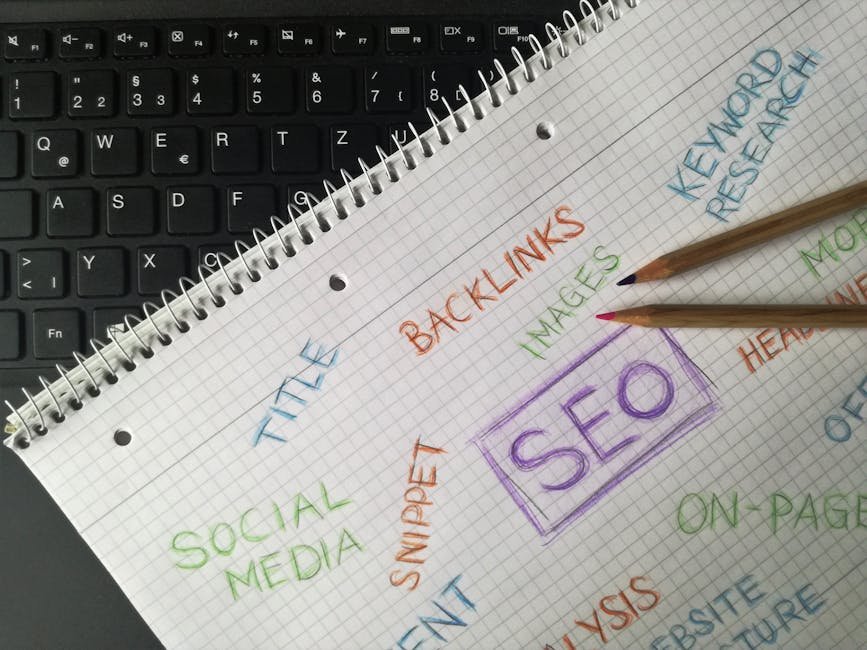
On-page SEO helps search engines understand page topics. This includes title tags, meta descriptions, headers, internal links, image alt text, and descriptive URLs. A well-written page title should clearly communicate relevance while encouraging clicks. Headers should create logical structure so both users and crawlers can follow the content.
Keyword usage still matters, but natural writing matters more. Instead of forcing repetition, use your primary phrase strategically and support it with related terms, synonyms, and contextual language. This creates topical depth and avoids over-optimization.
Technical Health
Technical performance is a major part of it. If your site is slow, hard to crawl, blocked by poor architecture, or filled with indexing problems, your content may not rank as well as it should. Important technical elements include mobile responsiveness, HTTPS, XML sitemaps, crawlability, clean navigation, and fast page load speed.
Core Web Vitals also contribute to user experience assessment. Metrics such as loading speed, visual stability, and interaction responsiveness can influence how usable your pages feel. While technical excellence alone does not guarantee rankings, it creates the foundation that allows content to perform.
Backlinks and Authority
Backlinks remain one of the strongest trust signals in search. When reputable websites link to your content, Google may interpret that as a sign of credibility and usefulness. However, link quality matters far more than quantity. A few links from strong, relevant sites are typically more valuable than many low-quality links.
Authority also comes from consistent topical coverage. If your website regularly publishes useful resources in a focused niche, it becomes easier to build trust with both users and search engines. Over time, this can strengthen your overall domain presence.
On-Page Strategies to Improve Google SEO
Strong on-page work is one of the fastest ways to improve this because it gives you direct control over the content and structure of your pages. Even small changes can produce meaningful gains when they make a page easier to understand and more useful to visitors.
Start with keyword targeting. Every page should focus on one primary topic and support it with semantically related ideas. Avoid creating multiple pages that compete for the same exact query unless there is a clear difference in intent. This prevents cannibalization and helps consolidate authority.
Next, optimize your title tag and H1. The title tag should be compelling, concise, and aligned with what users search for. Your H1 should reinforce the main topic while setting expectations for the page. The opening paragraph should immediately confirm relevance and explain what the reader will gain.
Content structure is equally important. Use H2 and H3 subheadings to separate ideas into digestible sections. Include bullet points, numbered lists, short paragraphs, and descriptive transitions to improve readability. Users often scan before they commit to reading, so formatting can affect engagement and bounce behavior.
Internal linking is another powerful tactic for these. Link related pages together using clear anchor text so users can continue exploring your site. This helps distribute authority, supports crawling, and builds topical connections between pages. For example, a guide about SEO basics can link to pages on keyword research, technical SEO, and content optimization.
Images should also be optimized. Compress large files for faster performance, use descriptive filenames, and add helpful alt text where appropriate. Visuals can increase time on page and make complex ideas easier to understand, but only if they support the content rather than distract from it.
Finally, keep content current. Updating statistics, examples, screenshots, and recommendations signals that your content is maintained. Freshness is especially important for topics where search behavior, technology, or best practices change frequently.
Technical Best Practices for Google SEO Success
Technical optimization is often invisible to users, but it has a major impact on they performance. If search engines encounter barriers when crawling, rendering, or indexing your site, even excellent content can remain underperforming.
One of the first priorities is crawlability. Your website should have a logical structure that helps bots discover important pages quickly. Clean navigation menus, organized internal links, and a useful XML sitemap all support better discovery. You should also review your robots.txt file to ensure critical pages are not blocked unintentionally.
Indexing is the next step. A crawlable page is not always indexed, and an indexed page is not always ranked. Use Google Search Console to identify pages with indexing issues, duplicate content, redirect errors, or canonical conflicts. Fixing these can improve visibility across the site.
Page speed matters because it directly affects user satisfaction. Slow websites often lose visitors before the page fully loads, especially on mobile devices. To improve speed, compress images, reduce unnecessary scripts, use browser caching, and consider a content delivery network. Faster pages create a better experience and can improve conversions as well.
Mobile usability is now essential, not optional. Since most searches happen on mobile devices, your site must function smoothly on smaller screens. Responsive design, readable text, tappable buttons, and optimized layouts all contribute to stronger usability signals.
Structured data is another useful layer of the concept. Schema markup helps search engines understand content types such as articles, products, reviews, FAQs, and local business details. While schema does not guarantee higher rankings, it can improve search appearance through rich results, which may increase click-through rates.
Security and trust also matter. HTTPS protects users and is a standard expectation for modern websites. Broken pages, intrusive popups, and confusing layouts can weaken trust quickly. Technical SEO is not just about bots; it is about building a fast, stable, reliable experience that supports user confidence.
Content and Link Building Tactics for Google SEO
Content and authority development are long-term drivers of the approach growth. Publishing random articles rarely works. Instead, you need a strategy built around audience needs, search demand, and topic relevance.
Begin with keyword research focused on intent. Look for informational, commercial, and transactional topics that align with your goals. A healthy content plan often includes evergreen guides, comparison articles, tutorials, product pages, and FAQ-driven resources. This allows you to reach users at multiple stages of the customer journey.
Topic clusters are especially effective. Create a broad pillar page on a major subject, then support it with more specific articles that link back to the main page. This structure helps search engines understand your expertise and gives users multiple entry points into your content ecosystem.
Originality is critical. Many pages fail because they simply repeat what already exists. To stand out, add firsthand insights, examples, case studies, proprietary data, expert commentary, or clearer explanations than competitors provide. Better content often earns more shares, links, and engagement naturally.
Link building should focus on quality relationships and valuable assets. You can earn links by publishing unique research, useful tools, in-depth guides, or strong opinion pieces backed by evidence. Outreach can also help when you offer a genuinely relevant resource to journalists, bloggers, or industry websites.
Guest posting, digital PR, and resource page outreach can all support it when done ethically. Avoid manipulative tactics such as buying spammy backlinks or participating in low-quality link schemes. These shortcuts may create risk instead of sustainable gains.
You should also monitor brand mentions that do not yet include links. Sometimes a simple outreach email can turn an unlinked mention into a valuable citation. Over time, consistent content quality combined with smart promotion can create a strong authority profile that supports rankings across many pages.
Common Mistakes That Hurt Google SEO
Many websites struggle not because they ignore SEO completely, but because they make avoidable mistakes that limit performance. Recognizing these issues can help you improve faster.
One common problem is targeting the wrong keywords. Some sites go after broad, highly competitive terms without understanding intent or realistic ranking difficulty. Others create pages that do not align with what searchers expect. Better targeting starts with careful research and honest evaluation of competition.
Another major issue is thin content. Pages with little substance, generic wording, or weak structure often fail to satisfy users. If your content does not go deeper than what is already ranking, there is little reason for Google to prioritize it.
Technical neglect is another obstacle. Broken links, duplicate pages, poor redirects, noindex errors, and slow loading times can quietly damage your visibility. Regular audits are necessary to keep a site healthy as it grows.
Some brands also overuse keywords. Keyword stuffing makes content awkward and can reduce quality signals. Effective this requires natural language, helpful information, and topical relevance rather than excessive repetition.
Ignoring internal links is another missed opportunity. When pages are isolated, they become harder for users and search engines to discover. Strategic internal linking strengthens site architecture and supports better performance for both new and existing content.
Finally, many site owners fail to measure results properly. Without tracking impressions, clicks, rankings, conversions, and engagement metrics, it is difficult to know what is working. SEO improvement depends on testing, monitoring, and refining over time.
FAQ
What is Google SEO in simple terms?
these is the process of improving your website so it appears higher in Google’s unpaid search results. It involves better content, stronger site structure, faster performance, and increased trust signals so users can find your pages more easily.
How long does Google SEO take to show results?
Google SEO usually takes several weeks to several months, depending on your competition, website authority, content quality, and technical health. Low-competition topics may improve faster, while competitive industries often require sustained effort over a longer period.
Is Google SEO better than paid advertising?
Google SEO and paid advertising serve different purposes. SEO is typically better for long-term, compounding traffic, while paid ads can deliver immediate visibility. Many businesses benefit most from using both, with SEO building sustainable growth over time.
What is the most important factor in Google SEO?
There is no single factor, but relevance and usefulness are central to Google SEO. If your content matches search intent, provides clear value, and is supported by a technically sound site with trustworthy signals, your chances of ranking improve significantly.
Can beginners learn Google SEO?
Yes, beginners can absolutely learn Google SEO by starting with core concepts such as keyword research, on-page optimization, technical basics, and content strategy. Consistent practice, experimentation, and performance tracking are the best ways to build skill.
Conclusion
Google SEO is not about chasing loopholes or relying on one tactic. It is about creating a website that deserves visibility because it is useful, accessible, trustworthy, and aligned with what users want. When you combine high-quality content, strong on-page optimization, solid technical performance, and ethical authority building, you create a durable foundation for organic growth.
The most effective SEO strategies are consistent rather than rushed. Audit your site, improve weak pages, strengthen internal linking, publish better resources, and monitor results carefully. Over time, Google SEO becomes a powerful channel for attracting qualified traffic, building brand authority, and generating long-term business value.