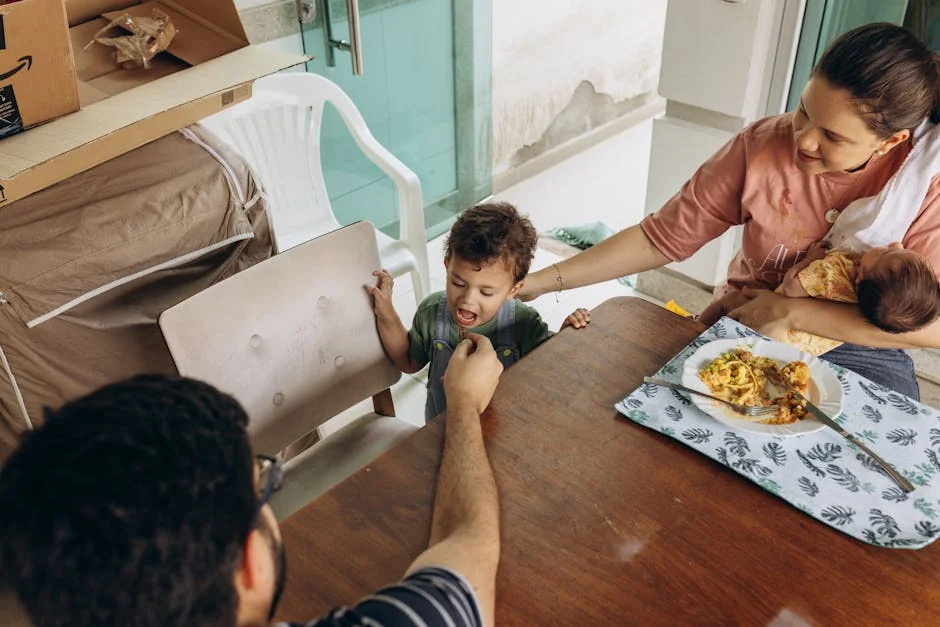

Parenting is one of the most rewarding and challenging roles anyone can take on. Every child is different, every family has unique values, and no single approach works in every situation. That is why practical, flexible guidance matters so much. The best it are not about becoming a perfect parent. They are about building trust, setting healthy limits, teaching life skills, and creating a home where children feel safe and supported. Whether you are raising a toddler, a school-age child, or a teenager, small daily choices can make a major difference over time. In this guide, you will discover proven strategies to improve communication, manage behavior, support emotional growth, and strengthen your relationship with your child in realistic, lasting ways.
Table of Contents
- Build strong connection with daily Parenting tips
- Set healthy boundaries using practical Parenting tips
- Support emotional growth through mindful Parenting tips
- Encourage independence with age-appropriate Parenting tips
- Create a balanced home with long-term Parenting tips
- FAQ: Common questions about Parenting tips
- What are the most effective Parenting tips for young children?
- How can Parenting tips help with child behavior problems?
- Are Parenting tips different for teenagers?
- How do I stay consistent with Parenting tips when I feel overwhelmed?
- Conclusion
Build strong connection with daily Parenting tips
A strong parent-child bond is the foundation of healthy development. Children thrive when they feel seen, heard, and valued. One of the most effective this is to focus on connection before correction. When children know you are on their side, they are more likely to cooperate, communicate honestly, and recover from mistakes.
Start with simple daily routines that create closeness. A five-minute check-in before school, a shared meal without devices, or a bedtime conversation can become meaningful rituals. These moments may seem small, but they build emotional security over time.
Active listening is another key habit. When your child speaks, pause what you are doing, make eye contact, and listen without rushing to judge or solve the problem. Reflect back what you hear with phrases like, “That sounds frustrating,” or “I can see why you felt upset.” This teaches children that their emotions matter and that home is a safe place to express them.
Physical affection also strengthens connection. Hugs, a pat on the back, or sitting close during a difficult moment can help younger children regulate emotions. For older children and teens, affection may look different, but it still matters. Respect their preferences while making warmth and support visible.
Quality time does not need to be expensive or elaborate. Read together, cook as a team, go for walks, play a quick game, or work on a small project. The real goal is focused attention. Even 10 to 15 minutes of uninterrupted time can improve behavior and trust.
Parents should also model the relationship skills they want children to learn. Speak respectfully, apologize when necessary, and show how to handle stress without lashing out. Children learn as much from what parents do as from what parents say.
If your relationship feels strained, begin repairing it with consistency rather than grand gestures. Show up, stay calm, and keep trying. Reconnection often happens through repeated small actions. Among the most valuable these is remembering that closeness is built in ordinary moments, not only in major milestones.
Set healthy boundaries using practical Parenting tips

Children need both love and limits. Boundaries help them feel secure, understand expectations, and learn self-control. Effective they in this area focus on being firm, calm, and consistent rather than harsh or overly controlling.
Start by choosing clear family rules. Keep them simple, specific, and age-appropriate. Instead of saying, “Be good,” say, “Use kind words,” or “Put toys away before bedtime.” Children respond better when expectations are concrete and easy to remember.
Consistency is essential. If a rule changes every day or depends on a parent’s mood, children become confused and may test limits more often. Follow through on what you say, and make sure consequences are connected to the behavior. For example, if a child throws a toy, that toy can be put away for a time. Logical consequences are more effective than punishments that feel unrelated.
It also helps to explain the reason behind rules. Children may not always agree, but understanding the purpose of a boundary can reduce resistance. Saying, “We hold hands in the parking lot to stay safe,” is more helpful than “Because I said so.”
Calm discipline matters. When parents respond with yelling, children often focus on the parent’s anger instead of their own behavior. Taking a breath, lowering your voice, and speaking clearly can make correction more powerful. This approach also teaches emotional regulation by example.
Offer limited choices when possible. This supports independence while preserving structure. For instance, “Do you want to do homework before or after your snack?” gives a child some control without removing the expectation. Small choices can reduce power struggles significantly.
Another useful strategy is to notice good behavior more often. Praise effort, cooperation, honesty, and problem-solving. Positive attention encourages children to repeat those actions. Many parents spend most of their energy correcting mistakes, but children benefit greatly when parents also recognize what is going well.
Among the most practical the concept is to avoid making rules for every minor issue. Focus on the values and behaviors that matter most in your home. Too many rules can create constant conflict, while a few consistent boundaries are easier for everyone to follow.
Support emotional growth through mindful Parenting tips

Emotional intelligence is a skill children develop over time, and parents play a major role in that process. Thoughtful the approach can help children understand feelings, manage frustration, and develop resilience.
First, teach children to name emotions. Young children often act out because they do not yet have the words to describe what they feel. Use simple language such as happy, sad, angry, worried, jealous, or disappointed. You can say, “It looks like you are feeling frustrated because your tower fell down.” Naming the feeling helps reduce overwhelm and builds self-awareness.
Validate emotions without approving every behavior. For example, “It is okay to feel angry, but it is not okay to hit.” This distinction teaches children that all feelings are acceptable, while actions still have limits. Emotional validation helps children feel understood and lowers defensiveness.
Create a calm-down routine for difficult moments. This may include deep breathing, counting slowly, squeezing a pillow, drawing, drinking water, or sitting in a quiet corner. Practice these tools when your child is calm so they are easier to use during stress. Emotional skills, like academic skills, require repetition.
Parents can also help children reframe mistakes. Instead of treating failure as shameful, present it as part of learning. Ask questions like, “What do you think you could try differently next time?” This builds problem-solving skills and resilience. Children who learn to recover from setbacks are better prepared for school, friendships, and adulthood.
Family conversations about feelings are valuable at every age. At dinner or bedtime, ask, “What was the best part of your day?” and “What felt hard today?” These questions normalize emotional reflection and invite honesty. Teens may not always open up immediately, but regular opportunities to talk still matter.
Screening your own emotional responses is equally important. Parents do not need to hide stress entirely, but it helps to show healthy coping. Saying, “I had a hard day, so I’m taking a few deep breaths,” teaches children practical regulation skills. These lived examples are some of the most impactful it because children absorb them naturally.
If a child seems persistently overwhelmed, unusually withdrawn, or highly reactive, consider speaking with a pediatrician, school counselor, or child therapist. Seeking support is a strength, not a failure. Emotional health deserves as much attention as physical health.
Encourage independence with age-appropriate Parenting tips
Many parents want to help their children succeed, yet too much help can unintentionally limit growth. Smart this encourage children to take responsibility, solve problems, and build confidence one step at a time.

Begin by assigning small, realistic responsibilities. Young children can put clothes in a hamper, carry dishes to the sink, or help feed a pet. Older children can pack school bags, make simple snacks, manage homework routines, or contribute more to household chores. These tasks teach capability and belonging.
Allow children to struggle a little before stepping in. It can be uncomfortable to watch a child wrestle with a puzzle, friendship issue, or school project, but immediate rescue prevents learning. Offer guidance with questions instead of taking over. Try, “What have you tried already?” or “What do you think could work next?”
Decision-making is another essential life skill. Let children make age-appropriate choices and experience manageable consequences. If a child refuses a coat after a warning, they may briefly feel cold and learn from it. Natural consequences, when safe, can be powerful teachers.
Routines also support independence. A consistent morning checklist, homework schedule, and bedtime sequence help children know what to expect and what is expected of them. Visual charts can be especially useful for younger kids. Predictability reduces arguments and increases cooperation.
Avoid perfectionism. When children clean a room imperfectly or complete a task more slowly than you would, resist the urge to redo everything. Praise effort and progress. Confidence grows when children believe they are capable, not when every outcome meets adult standards.
As children get older, independence should expand gradually. Preteens and teens benefit from having input into schedules, goals, and household expectations. They still need guidance, but they also need room to practice responsibility. Trust grows when parents stay involved without micromanaging every detail.
One of the most empowering these is to separate support from control. Children need parents who believe in them, coach them, and hold them accountable, not parents who do everything for them. Independence is not built overnight. It develops through repeated chances to try, fail, adjust, and succeed.
Create a balanced home with long-term Parenting tips
A healthy family environment does not happen by accident. It grows from routines, communication, self-care, and shared values. Sustainable they help families reduce chaos and create a home culture that supports both children and parents.

Start with rhythms that anchor the week. Regular mealtimes, bedtime routines, homework blocks, and family time can make life feel more manageable. Children generally behave better when they know what comes next. Structure does not remove flexibility, but it does create stability.
Sleep is especially important. Overtired children are more likely to struggle with attention, mood, and behavior. Protect age-appropriate sleep routines as much as possible. Nutrition, physical activity, and time outdoors also contribute to emotional and behavioral regulation.
Technology needs clear boundaries too. Set family expectations for screen time, device-free zones, and online safety. Model healthy digital habits yourself. If parents are constantly on phones, children notice. Technology can be useful and enjoyable, but it should not replace sleep, conversation, exercise, or face-to-face connection.
Parental self-care is often overlooked, yet it affects the whole family. Taking care of your own mental, physical, and emotional well-being is not selfish. Rest, support from friends, realistic expectations, and occasional breaks can improve patience and perspective. Burned-out parents often react more sharply, while supported parents are better able to respond calmly.
When conflict happens, focus on repair. Every family has hard days, arguments, and misunderstandings. What matters most is how you return to each other. Apologize when needed, talk through what happened, and look for a better plan next time. Repair teaches children that relationships can be strong even after mistakes.
Long-term success also comes from aligning your daily choices with your family values. Ask yourself what matters most: kindness, responsibility, honesty, curiosity, respect, faith, teamwork, or something else. Then reflect those values in routines, conversations, and expectations. Children benefit when the messages at home are clear and consistent.
The best Parenting tips are often the ones that reduce pressure rather than increase it. You do not need to do everything perfectly. You need a home where people feel loved, guided, and safe enough to keep learning together.
FAQ: Common questions about Parenting tips
What are the most effective Parenting tips for young children?
The most effective Parenting tips for young children include keeping routines consistent, giving clear instructions, offering limited choices, and responding calmly to behavior. Young children also need frequent connection, praise for positive actions, and help naming their emotions. Simple structure and warm attention go a long way.

How can Parenting tips help with child behavior problems?
Good Parenting tips improve behavior by combining empathy with clear boundaries. Children respond better when expectations are specific, consequences are logical, and parents stay consistent. Many behavior issues also improve when children feel connected, well-rested, and understood rather than only corrected.
Are Parenting tips different for teenagers?
Yes, Parenting tips for teenagers should include more collaboration, respect for growing independence, and open communication. Teens still need boundaries, but they also need chances to make decisions and discuss consequences. Listening without immediate judgment can strengthen trust and encourage honesty.
How do I stay consistent with Parenting tips when I feel overwhelmed?
When stress is high, focus on a few essential Parenting tips instead of trying to do everything at once. Prioritize connection, clear routines, and a calm response to problems. It also helps to lower unrealistic expectations, ask for support, and remember that consistency improves through practice, not perfection.
Conclusion
There is no universal formula for raising children, but thoughtful, steady habits can make parenting more effective and more fulfilling. The most useful Parenting tips help families strengthen connection, set fair boundaries, support emotional development, and encourage independence in age-appropriate ways. They also remind parents to create a balanced home environment and to care for themselves along the way. If you focus on progress instead of perfection, your child will benefit from your presence, patience, and willingness to grow. Parenting is a long journey filled with learning on both sides. With the right Parenting tips, you can build a family life rooted in trust, resilience, and everyday moments of connection.