
Introduction
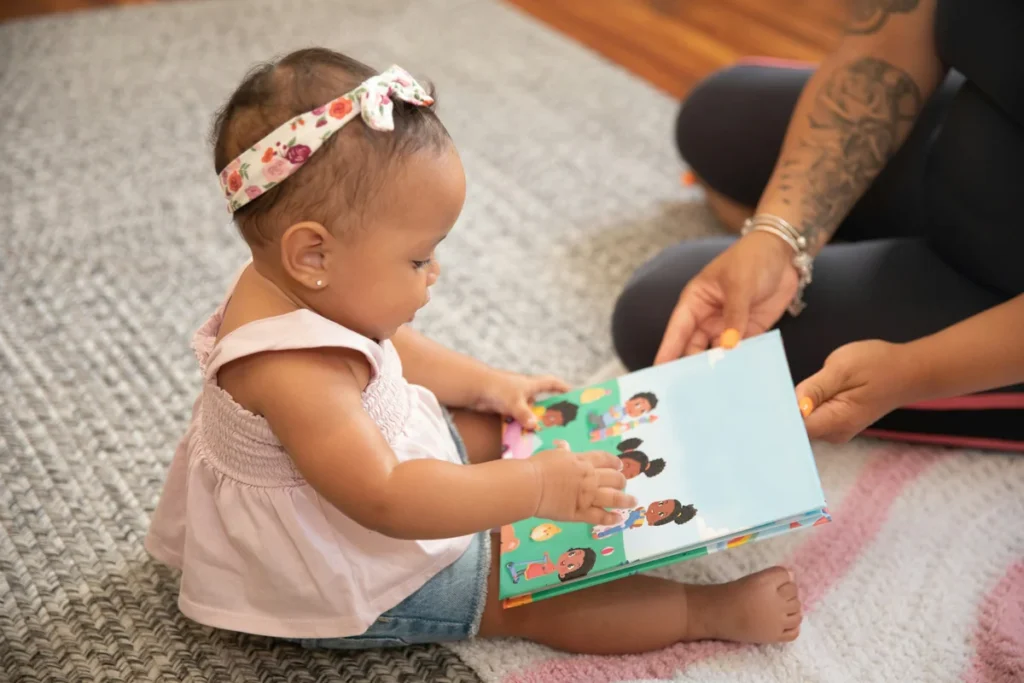
it is the process through which children grow, learn, and build the skills they need for daily life. It includes physical growth, language, thinking, emotional regulation, and social interaction. While every child develops at a unique pace, there are common patterns that help parents, caregivers, and educators understand what to expect and how to provide support.
A strong understanding of this can improve parenting decisions, classroom strategies, and early intervention when challenges appear. From infancy through adolescence, growth is shaped by relationships, environment, nutrition, play, education, and health. By recognizing key stages and milestones, adults can create safe, responsive, and enriching experiences that help children thrive in all areas of life.
Table of Contents
- Introduction
- Why Child Development Matters
- Stages of Child Development
- Infancy
- Toddlerhood
- Early Childhood
- Middle Childhood
- Adolescence
- Key Domains of Child Development
- Physical Development
- Cognitive Development
- Language Development
- Social and Emotional Development
- Factors That Influence Child Development
- Genetics and Temperament
- Family Relationships
- Nutrition and Health
- Environment and Learning Opportunities
- Technology and Media Use
- Stress and Adversity
- How to Support Healthy Child Development
- Build Secure Relationships
- Encourage Play
- Read and Talk Every Day
- Set Clear and Consistent Boundaries
- Watch for Delays and Seek Help Early
- Support Emotional Skills
- FAQ About Child Development
- What is child development?
- Why is child development important in early years?
- What are the main areas of child development?
- How can parents support child development at home?
- When should parents worry about developmental delays?
- Conclusion
Why Child Development Matters

Understanding these is essential because early experiences influence lifelong learning, behavior, health, and relationships. The first years of life are especially important, as the brain develops rapidly and forms connections based on what a child sees, hears, feels, and practices every day. Positive early experiences can strengthen confidence, curiosity, and resilience, while long-term stress or neglect can make growth more difficult.
Parents and caregivers often look for signs that a child is progressing well. These signs may include learning to sit, walk, speak, follow directions, express emotions, and interact with others. Although milestone charts can be helpful, they should be seen as guides rather than strict rules. Some children speak early but take more time with motor skills, while others may be highly social before they become strong verbal communicators.
Another reason they matters is that it helps adults identify needs early. When delays in speech, movement, learning, or behavior are noticed and addressed, children are more likely to receive support at the best possible time. Early support may include speech therapy, occupational therapy, educational accommodations, or changes in the home environment. Timely action can reduce frustration for both children and families.
This topic also matters in schools and communities. Teachers who understand developmental stages can create age-appropriate lessons, realistic expectations, and healthy classroom routines. Health professionals, social workers, and policymakers also rely on knowledge of the concept to build programs that promote safety, education, nutrition, and mental well-being.
Stages of Child Development
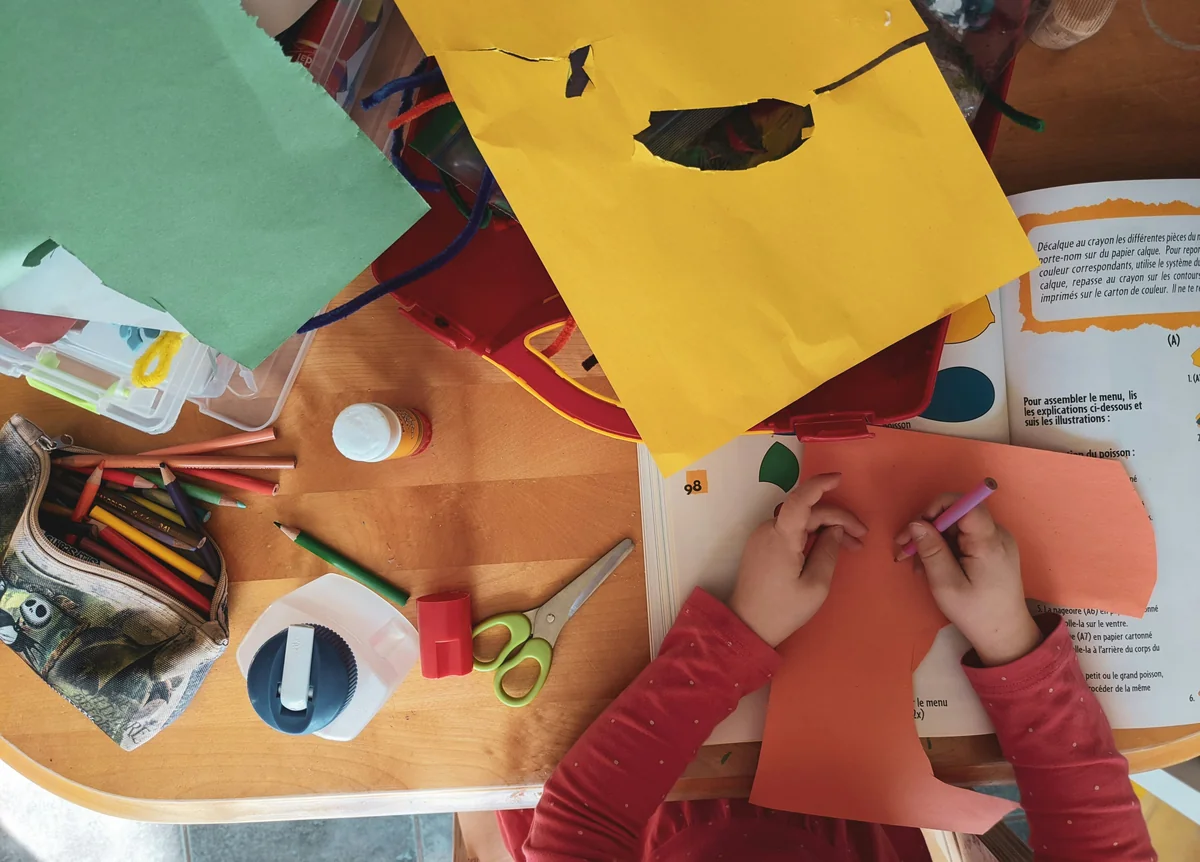
The journey of the approach is often described in stages, each with its own major tasks and milestones. These stages help adults understand how children change over time and what kinds of support are most useful at each age.
Infancy
Infancy covers roughly the first year of life. During this stage, babies develop rapidly in physical and sensory areas. They learn to lift their heads, roll over, sit, crawl, and in many cases begin standing or walking. They also start recognizing familiar voices, smiling socially, babbling, and showing attachment to caregivers.
Responsive care is crucial at this stage. When caregivers respond to cries, provide eye contact, talk often, and create a secure environment, babies begin to build trust. Feeding, sleep routines, and safe exploration all support healthy growth.
Toddlerhood
Toddlers are energetic, curious, and eager to explore. In this period, many children begin walking confidently, climbing, using simple words, and asserting independence. Tantrums can appear because emotional regulation is still developing while the desire for control grows stronger.
At this stage, routines and gentle boundaries are highly effective. Reading aloud, naming objects, and offering choices such as “red cup or blue cup” encourage language and decision-making. Play remains one of the strongest tools for learning.
Early Childhood
During the preschool years, children make significant gains in language, imagination, self-help, and social skills. They may begin asking many questions, pretending in creative ways, and learning to share, take turns, and follow simple rules. Fine motor skills also improve, allowing them to draw, stack, button clothing, and use simple tools.
This phase of it benefits from structured play, storytelling, music, outdoor time, and early learning opportunities. Children start developing self-confidence when they are praised for effort and guided with patience.
Middle Childhood
School-age children grow in academic ability, attention, memory, and peer relationships. They become more aware of fairness, responsibility, and comparison with others. Friendships often become more meaningful, and children begin discovering personal strengths and interests in school, sports, arts, or hobbies.
Support during this stage includes consistent routines, encouragement, healthy sleep habits, and open communication. Adults should also help children develop problem-solving skills and coping strategies.
Adolescence
Adolescence brings major physical, emotional, and cognitive change. Puberty, identity formation, stronger opinions, and increasing independence define this stage. Teenagers begin thinking more abstractly and may challenge rules as they work toward autonomy.
Healthy communication is especially important here. Teens need guidance, clear boundaries, respect, and opportunities to make age-appropriate decisions. A balanced approach supports maturity and trust.
Key Domains of Child Development
Experts often divide this into several connected domains. Although these categories are useful, they constantly influence one another. A delay or strength in one area can affect progress in another.

Physical Development
Physical development includes growth in height, weight, strength, balance, and motor skills. Gross motor skills involve large movements such as running, jumping, and climbing, while fine motor skills involve smaller actions like grasping, drawing, writing, and using utensils. Healthy nutrition, sleep, movement, and regular medical care support physical growth.
Cognitive Development
Cognitive growth refers to thinking, memory, attention, reasoning, and problem-solving. Children build these abilities through play, conversation, exploration, and education. Puzzles, questions, stories, and everyday experiences all help the mind develop. As children mature, they move from simple trial-and-error learning to more complex reasoning and planning.
Language Development
Language includes understanding words, speaking, gestures, listening, and later reading and writing. Rich conversation is one of the best ways to strengthen this area. Talking during routines, reading books, singing songs, and responding to children’s questions can dramatically improve communication skills. When children hear more meaningful language, they have more opportunities to learn vocabulary and sentence structure.
Social and Emotional Development
Social and emotional skills involve forming relationships, expressing feelings, managing frustration, showing empathy, and understanding social rules. Secure attachment in early life builds a foundation for confidence and emotional safety. Over time, children learn to cooperate, negotiate, and resolve conflict. Adults can support this domain by modeling calm behavior, naming emotions, and teaching respectful communication.
Because these domains overlap, these should always be viewed as a whole. A child who feels emotionally secure may learn more effectively, and a child with stronger language may find social interactions easier.
Factors That Influence Child Development
Many influences shape they, and no single factor works alone. Growth happens through an ongoing interaction between biology and environment. Understanding these influences helps adults create conditions that support healthy progress.

Genetics and Temperament
Children are born with individual traits that affect how they respond to the world. Some are naturally cautious, while others are outgoing. Some are highly active, while others prefer observation before action. Genetics can influence physical growth, learning styles, and certain developmental risks. Temperament does not determine a child’s future, but it does shape how support should be provided.
Family Relationships
Warm, stable relationships are among the strongest protective factors in healthy growth. Children benefit when caregivers are emotionally available, predictable, and responsive. Daily routines, shared meals, affectionate communication, and involvement in school life all contribute positively. Conflict, instability, or chronic stress in the home can make progress more difficult.
Nutrition and Health
Good nutrition fuels brain and body growth. Balanced meals, proper hydration, and adequate sleep are essential for attention, mood, memory, and energy. Regular checkups, vaccinations, vision screenings, and hearing assessments also play important roles. When health concerns are untreated, learning and behavior may be affected.
Environment and Learning Opportunities
Safe housing, quality childcare, access to books, outdoor play, and stimulating experiences all shape outcomes. Children learn through everyday interactions, not only formal lessons. A conversation in the grocery store, a walk in the park, or helping set the table can all support the concept.
Technology and Media Use
Digital tools can offer learning benefits when used thoughtfully, but too much screen time may interfere with sleep, conversation, and active play. The best approach is balance. Adults should choose age-appropriate content, co-view when possible, and protect time for hands-on exploration, movement, and face-to-face interaction.
Stress and Adversity
Short-term challenges are part of life, but ongoing toxic stress can affect emotional and cognitive growth. Poverty, violence, neglect, and prolonged family instability may increase developmental risks. Supportive relationships can reduce the impact of adversity and help children recover more successfully.
How to Support Healthy Child Development
Adults play a powerful role in shaping the approach through daily habits, interactions, and expectations. Support does not require perfection. What matters most is consistent, responsive care over time.
Build Secure Relationships

Children learn best when they feel safe. Listening, comforting, praising effort, and being emotionally present all build trust. Simple routines such as bedtime reading, regular meals, and check-ins after school create stability and connection.
Encourage Play
Play is not a break from learning; it is a major part of learning. Through play, children practice movement, creativity, language, cooperation, and problem-solving. Open-ended toys, pretend games, art materials, and outdoor activities offer valuable developmental benefits.
Read and Talk Every Day
Language-rich environments strongly support learning. Reading aloud, asking questions, telling stories, and having real conversations strengthen vocabulary and comprehension. Even brief daily reading routines can have a lasting effect on academic and social success.
Set Clear and Consistent Boundaries
Children need freedom to explore, but they also need structure. Clear expectations help them feel secure and understand consequences. Discipline works best when it teaches rather than shames. Calm correction, logical consequences, and guidance toward better choices promote long-term growth.
Watch for Delays and Seek Help Early
Monitoring progress is an important part of supporting it. If a child seems to have trouble with speech, movement, eye contact, behavior, attention, or learning, it is wise to talk with a pediatrician or specialist. Early support is often more effective than waiting to see if a problem disappears on its own.
Support Emotional Skills
Teach children to name feelings, take deep breaths, solve conflicts, and ask for help. Emotional coaching helps children build resilience and self-control. Adults can model healthy coping by staying calm, apologizing when needed, and showing empathy.
FAQ About Child Development
What is child development?
Child development refers to the physical, cognitive, language, social, and emotional changes that occur as children grow from infancy through adolescence. It includes both milestones and the everyday processes through which children learn skills, form relationships, and adapt to their environment.
Why is child development important in early years?
The early years are critical because the brain develops quickly during this period. Strong foundations in child development can support later learning, emotional regulation, communication, and health. Early positive experiences often lead to better long-term outcomes.
What are the main areas of child development?
The main areas of child development are physical development, cognitive development, language development, and social-emotional development. These areas are closely connected, and growth in one domain often affects progress in others.
How can parents support child development at home?
Parents can support child development by building warm relationships, creating routines, reading daily, encouraging play, serving nutritious meals, limiting excessive screen time, and seeking help early if concerns arise. Small, consistent actions at home make a significant difference.
When should parents worry about developmental delays?
Parents should seek advice if a child loses skills, misses multiple milestones, shows limited communication, has unusual movement patterns, or struggles significantly with behavior or interaction. Concerns related to child development are best discussed early with a pediatrician or developmental specialist.
Conclusion
Child development is a lifelong foundation that begins long before formal schooling and continues through the teenage years. It is shaped by biology, relationships, environment, health, and learning opportunities. While children do not all grow in the same way or on the same timeline, understanding broad stages and domains can help adults respond with confidence and care.
By paying attention to milestones, encouraging play and communication, and creating safe, supportive environments, families and educators can strengthen child development in meaningful ways. Early awareness and responsive action can make a lasting difference, helping children build the skills, resilience, and confidence they need to thrive.