Introduction
A it is the core equipment used to produce cast nylon components with high strength, low friction, and excellent wear resistance. Industries such as automotive, mining, textiles, food processing, and heavy machinery rely on this technology to manufacture durable parts like gears, rollers, bushings, and sheets. Choosing the right system can influence product quality, production speed, operating cost, and long-term reliability.
Table of Contents
- Introduction
- What Is a Mc Nylon Casting machine and How Does It Work?
- Key Features to Look for in a Mc Nylon Casting machine
- 1. Temperature control accuracy
- 2. Mixing and dosing precision
- 3. Automation level
- 4. Mold compatibility
- 5. Material handling safety
- 6. Production capacity
- 7. Maintenance accessibility
- Applications and Benefits of a Mc Nylon Casting machine
- Industrial applications
- Performance advantages
- Business benefits
- How to Choose the Right Mc Nylon Casting machine for Your Factory
- Evaluate your product range
- Analyze raw material and process requirements
- Consider factory infrastructure
- Review supplier credibility
- Request testing and samples
- Calculate total cost of ownership
- Plan for future expansion
- Maintenance, Operating Tips, and Common Buying Mistakes
- Best maintenance practices
- Operating tips for consistent quality
- Common buying mistakes
- FAQ
- What is a Mc Nylon Casting machine used for?
- What are the advantages of using a Mc Nylon Casting machine?
- How do I choose the best Mc Nylon Casting machine?
- Is a Mc Nylon Casting machine suitable for custom parts production?
- How often should a Mc Nylon Casting machine be maintained?
- Conclusion
This guide explains how a this works, what features matter most, and how to evaluate performance before buying. You will also learn about materials, applications, maintenance needs, and common purchasing mistakes. Whether you are expanding a polymer production line or entering cast nylon manufacturing for the first time, understanding the full value of this equipment helps you make a smarter investment.
What Is a Mc Nylon Casting machine and How Does It Work?
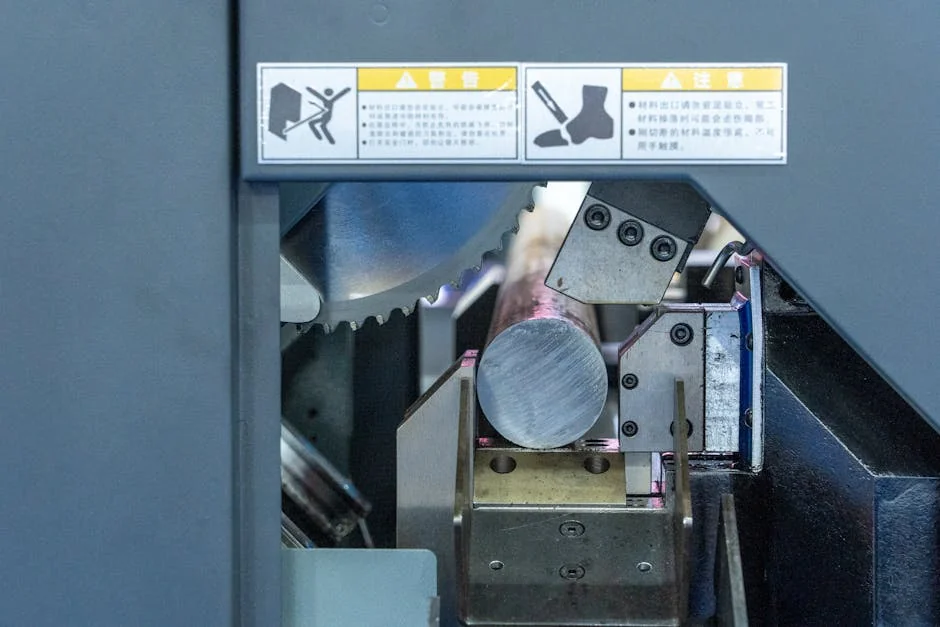
A these is designed to process monomers and additives through controlled polymerization and casting methods to create monolithic nylon products. Unlike conventional injection molding, cast nylon production uses a liquid reaction process that allows manufacturers to form larger, thicker, and more dimensionally stable components. This makes cast nylon especially useful for industrial parts that must perform under stress, friction, and repeated mechanical loads.
The operating principle usually begins with raw material preparation. Monomers, catalysts, and activators are measured and heated under carefully controlled conditions. The machine then mixes these materials and transfers them into molds where polymerization occurs. Temperature consistency, mold quality, and timing all affect the final material properties. Because the chemical reaction continues inside the mold, the process demands precise control systems and reliable thermal management.
A high-quality they often includes automated dosing units, preheating tanks, vacuum systems, mold heating platforms, and digital control panels. These features help reduce human error and improve batch consistency. In many modern factories, programmable logic controls are used to regulate temperatures, mixing speed, feed rate, and curing cycles.
The machine’s output can vary depending on mold design and production goals. Some systems focus on rods, tubes, and plates, while others are optimized for custom components such as pulleys, wear pads, or specialized mechanical parts. In all cases, accurate process control is essential to achieve uniform density, low internal stress, and reliable mechanical performance.
Another advantage of this production method is material efficiency. Cast nylon often requires less machining waste than many traditional fabrication routes, especially when parts are produced close to final dimensions. For manufacturers seeking high-performance engineering plastics with good load-bearing capability, this technology provides a strong balance of flexibility and cost-effectiveness.
Key Features to Look for in a Mc Nylon Casting machine
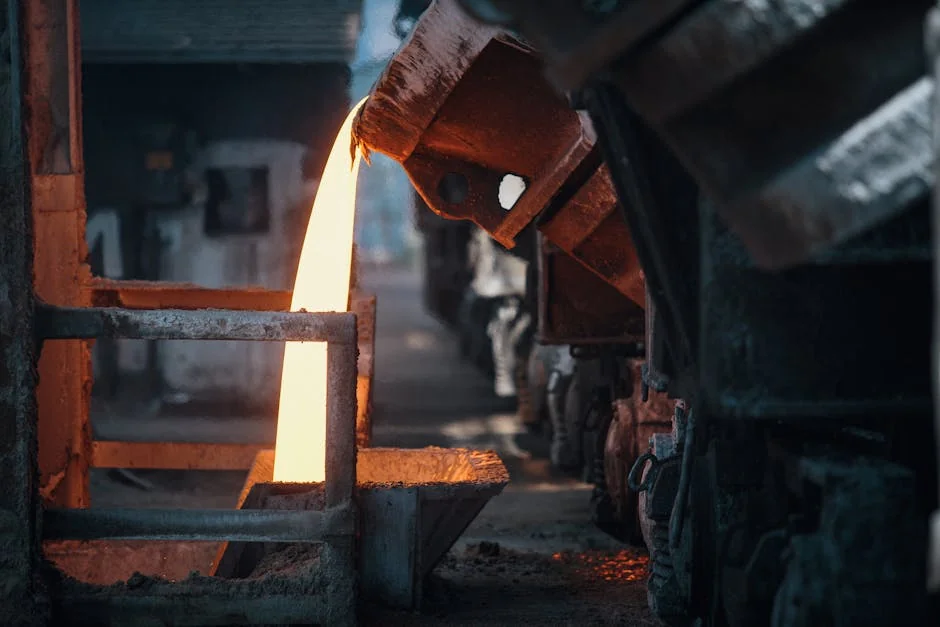
When selecting a the concept, buyers should focus on technical features that directly influence production quality, efficiency, and service life. Not every system is built to the same standard, so understanding the specifications behind the marketing language is crucial.
1. Temperature control accuracy
Cast nylon production depends heavily on precise heat management. If temperatures fluctuate too much during mixing or curing, the finished product may show bubbles, inconsistent hardness, or poor dimensional accuracy. Machines with advanced sensors and stable heating systems support better polymerization and reduce defect rates.
2. Mixing and dosing precision
Uniform mixing ensures that the catalyst and activator react properly with the monomer. Even small inaccuracies can affect the molecular structure of the final nylon. A dependable dosing system should deliver repeatable measurements and maintain a stable feed throughout each cycle.
3. Automation level
A more automated the approach can improve labor efficiency and reduce operator dependence. Features such as touchscreen controls, recipe storage, alarm monitoring, and automatic cleaning sequences help standardize production and simplify day-to-day operation.
4. Mold compatibility
Different manufacturers need different output forms. Some require standard rods and sheets, while others need irregular custom parts. Before purchase, confirm that the machine supports your mold sizes, mold materials, and planned production volume. Flexible mold handling expands product range and improves return on investment.
5. Material handling safety
Because cast nylon processing involves reactive chemicals and elevated temperatures, safety should be a major consideration. Look for enclosed systems, emergency shutoff mechanisms, pressure protection, and safe transfer lines. Good safety design protects both workers and equipment.
6. Production capacity
Capacity should align with your actual demand. Buying an oversized machine may increase capital cost and energy use without delivering proportional value. On the other hand, an undersized system can limit growth and create bottlenecks. Review output per cycle, cycle time, and shift-based throughput.
7. Maintenance accessibility
Routine inspection and servicing should be simple. Easy access to heaters, valves, pumps, sensors, and control elements reduces downtime. Machines designed with maintenance in mind typically offer lower total operating costs over time.
A well-designed it should not only produce strong parts but also support stable, repeatable manufacturing with minimal waste. Buyers who examine core functions in detail are more likely to choose equipment that performs well for years.
Applications and Benefits of a Mc Nylon Casting machine
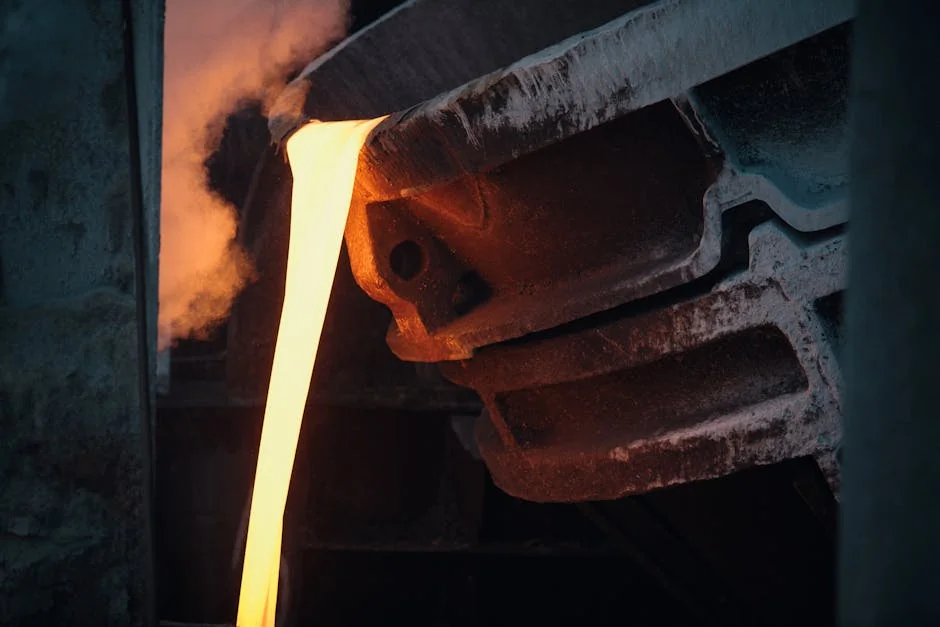
A this supports the production of engineering plastic components used in demanding industrial environments. Cast nylon is known for its excellent wear resistance, high load capacity, vibration damping, and resistance to many oils and chemicals. These properties make it a preferred choice across many sectors.
Industrial applications
In mining and bulk material handling, cast nylon is often used for liners, rollers, pulleys, and wear blocks. These parts need to withstand abrasion, impact, and continuous movement. In textile machinery, nylon components such as gears and guide elements help reduce noise and improve operational smoothness. Food processing facilities may use cast nylon for non-metallic parts where corrosion resistance and easy cleaning are important.
Manufacturers in automotive and transportation industries also use cast nylon for bushings, bearings, spacers, and structural support parts. In construction and heavy equipment, large cast nylon plates and wear pads are valued for their toughness and low friction. A these makes it possible to create these parts in varied shapes and sizes while maintaining good performance characteristics.
Performance advantages
One of the main benefits of cast nylon is its combination of mechanical strength and lightweight properties. Replacing metal parts with cast nylon can reduce overall system weight, lower noise, and minimize lubrication requirements. In some cases, it can also reduce wear on mating surfaces.
Another major benefit is design flexibility. Manufacturers can produce thick sections and large components more easily than with some other plastic processing methods. Since the material can be cast near net shape, machining requirements may be reduced, saving time and material.
A they also supports production customization. By adjusting formulations or mold designs, producers can create parts with application-specific properties. This flexibility is valuable in industries where standard off-the-shelf components do not meet performance expectations.
Business benefits
From a commercial perspective, cast nylon production can open opportunities in replacement parts, custom machinery components, and industrial maintenance markets. Companies that operate an in-house casting line may improve lead times, reduce dependence on outside suppliers, and maintain better quality control.
For businesses seeking long-term profitability, a the concept can support both standard product manufacturing and high-margin custom orders. This combination makes it an attractive investment for companies focused on engineering plastics and industrial component supply.
How to Choose the Right Mc Nylon Casting machine for Your Factory
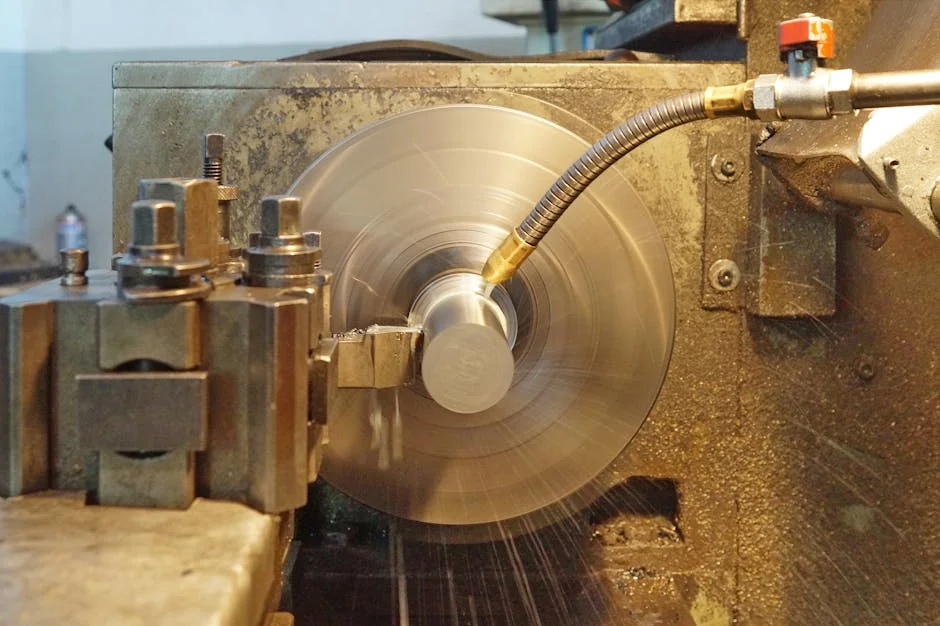
Buying a the approach requires more than comparing prices. The right choice depends on production targets, product dimensions, automation needs, available utilities, and long-term business plans. A structured selection process helps reduce risk and improves the likelihood of successful implementation.
Evaluate your product range
Start by identifying the parts you plan to produce. Are you making rods, sheets, tubes, or custom machine parts? What are the required dimensions, tolerances, and annual volumes? The answers will help determine mold configurations, heating requirements, and machine size.
Analyze raw material and process requirements
Different cast nylon grades and additive systems may require different temperature windows, mixing conditions, and curing times. Make sure the machine is compatible with your intended formulations. Suppliers should be able to explain process parameters clearly and provide evidence of stable performance.
Consider factory infrastructure
Before installation, confirm that your facility can support the machine’s power demand, heating system, ventilation, floor space, and safety requirements. A it should fit within an efficient workflow that includes material storage, mold preparation, curing, demolding, and finishing operations.
Review supplier credibility
Always assess the manufacturer or exporter behind the equipment. Look at years of experience, customer references, after-sales service, spare parts availability, and technical support responsiveness. A lower initial price can become expensive if service is weak or parts are difficult to source.
Request testing and samples
Whenever possible, ask for trial production or sample parts made on the proposed machine. This is one of the best ways to verify mixing quality, curing consistency, surface finish, and dimensional stability. Reputable suppliers are usually willing to demonstrate performance.
Calculate total cost of ownership
The purchase price is only one part of the investment. Include installation, operator training, maintenance, energy use, consumables, spare parts, and expected downtime in your evaluation. A slightly more expensive this may provide better long-term value if it offers greater reliability and lower defect rates.
Plan for future expansion
If your business is expected to grow, choose a machine platform that can scale with demand. Modular designs, automation upgrades, or compatibility with additional molds can protect your investment and reduce future capital spending.
A thoughtful buying process leads to better output quality and stronger financial returns. Companies that align machine capabilities with actual production goals are more likely to achieve efficient and profitable operation.
Maintenance, Operating Tips, and Common Buying Mistakes
To get the best results from a these, proper maintenance and disciplined operation are essential. Even a high-end system can underperform if cleaning routines, parameter control, and inspection schedules are neglected.
Best maintenance practices
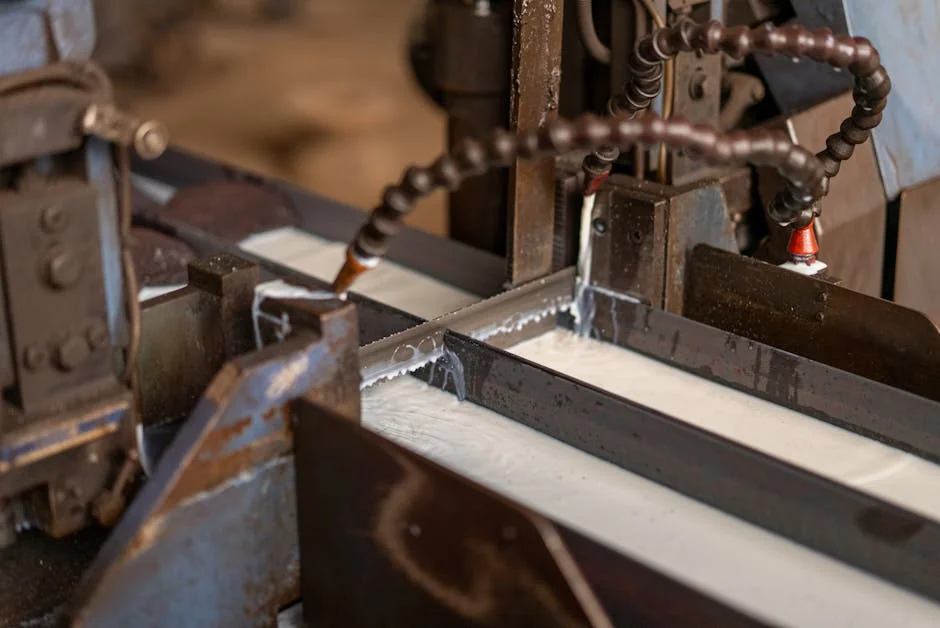
Regular cleaning of mixing chambers, pipelines, dosing units, and molds helps prevent contamination and inconsistent reactions. Residual material buildup can affect batch quality and increase the risk of blockage. Operators should follow a documented cleaning schedule based on production frequency and material type.
Heaters, sensors, pumps, and control components should be checked routinely for calibration and wear. Small deviations in temperature readings or dosing performance can quickly translate into product defects. Preventive maintenance is far more cost-effective than emergency repairs.
Lubrication of mechanical components, electrical connection inspection, and seal replacement are also important. Keep a basic inventory of critical spare parts to reduce downtime when service is needed. A reliable they performs best when supported by a proactive maintenance plan.
Operating tips for consistent quality
Maintain strict control over raw material storage conditions. Moisture, contamination, or improper heating can negatively affect polymerization. Train operators to follow standardized recipes and process steps without shortcuts. Consistency in preparation and mold handling leads to more predictable product properties.
It is also important to monitor cycle data and record performance trends. Digital logs can reveal issues such as temperature drift, slow curing, or rising rejection rates before they become serious problems. Data-driven process control improves both quality assurance and production efficiency.
Common buying mistakes
One common mistake is choosing a machine based only on price. Low-cost equipment may lack process stability, safety features, or adequate support. Another error is failing to match machine capacity to actual demand. Overbuying can waste capital, while underbuying can limit order fulfillment.
Some buyers also overlook the importance of technical training. A Mc Nylon Casting machine requires operators who understand both equipment controls and material behavior. Without proper training, defect rates and maintenance issues can rise quickly.
Finally, do not ignore after-sales service. Installation guidance, troubleshooting assistance, and spare part access can significantly affect long-term productivity. Selecting the right supplier is nearly as important as selecting the right machine.
FAQ
What is a Mc Nylon Casting machine used for?
A Mc Nylon Casting machine is used to manufacture cast nylon products such as rods, sheets, tubes, gears, bushings, rollers, and custom industrial parts. It enables controlled polymerization and molding to create strong, wear-resistant engineering plastic components.
What are the advantages of using a Mc Nylon Casting machine?
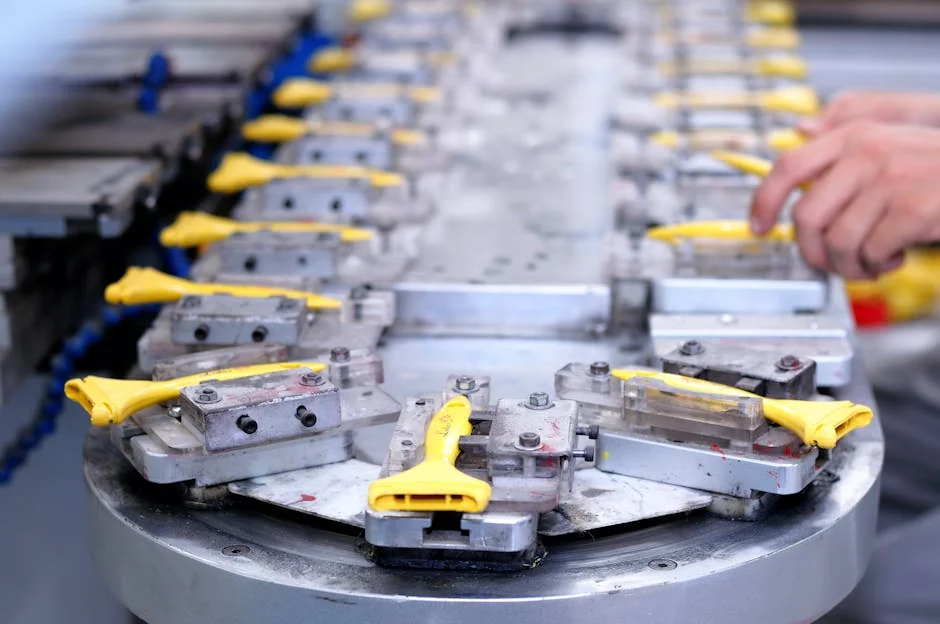
The main advantages of a Mc Nylon Casting machine include the ability to produce large or thick nylon parts, maintain strong mechanical properties, reduce machining waste, and support customized industrial applications. It also helps manufacturers improve consistency and production efficiency.
How do I choose the best Mc Nylon Casting machine?
To choose the best Mc Nylon Casting machine, evaluate production capacity, temperature control accuracy, automation level, mold compatibility, supplier reputation, maintenance requirements, and total cost of ownership. A sample test or trial run is strongly recommended before purchase.
Is a Mc Nylon Casting machine suitable for custom parts production?
Yes, a Mc Nylon Casting machine is highly suitable for custom parts production. It can work with different molds and process settings to create application-specific nylon components for many industries, including mining, automotive, textile, and heavy equipment.
How often should a Mc Nylon Casting machine be maintained?
A Mc Nylon Casting machine should be maintained regularly according to production volume and manufacturer guidelines. Daily cleaning, routine inspections, calibration checks, and preventive servicing are essential for stable performance and long equipment life.
Conclusion
A Mc Nylon Casting machine is a valuable asset for manufacturers producing high-performance cast nylon components for industrial use. Its ability to create durable, low-friction, wear-resistant parts makes it a practical choice for businesses serving demanding sectors such as mining, automotive, textiles, and machinery. By understanding machine design, process requirements, maintenance needs, and supplier quality, buyers can make more confident decisions.
When selected carefully, a Mc Nylon Casting machine can improve production consistency, expand product capability, and support long-term profitability. Focus on technical performance, safety, service support, and total operating value rather than price alone. With the right equipment and operating discipline, manufacturers can build a reliable and competitive cast nylon production line.