
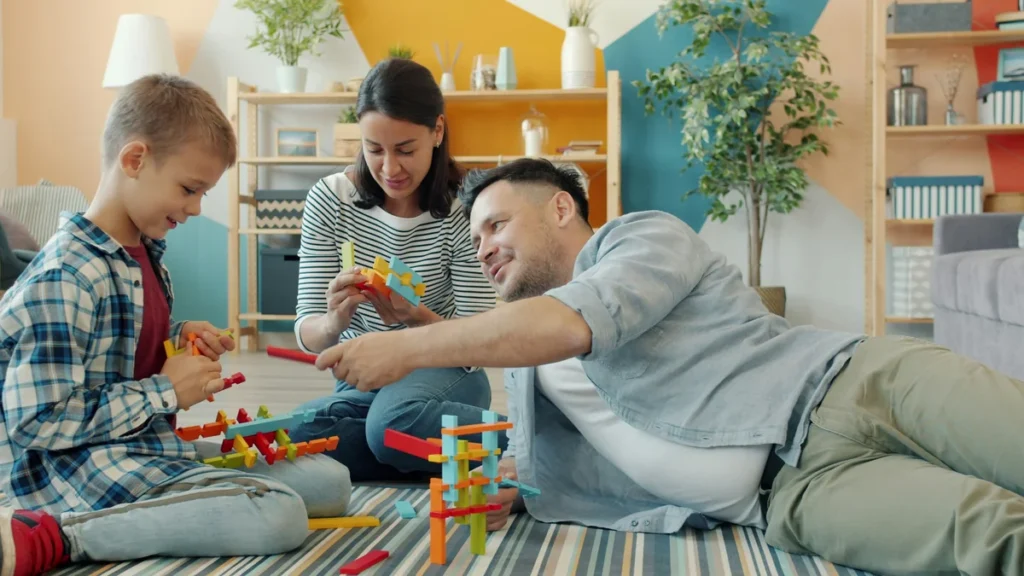
Family learning activities can turn ordinary moments into meaningful opportunities for growth, connection, and discovery. Whether you are teaching a preschooler how to count, helping a middle schooler explore science, or simply looking for better ways to spend time together, intentional shared learning can make a lasting difference. The best part is that these experiences do not need to be expensive, complicated, or heavily structured to be effective.
Table of Contents
- Why Family learning activities matter for child development
- Best Family learning activities for different age groups
- Toddlers and preschoolers
- Early elementary children
- Older elementary and middle school children
- Teens
- How to plan Family learning activities that fit busy schedules
- Creative Family learning activities using everyday materials
- In the kitchen
- In the living room
- Outside the home
- With recycled materials
- Common mistakes to avoid with Family learning activities
- Making activities too complicated
- Focusing only on academics
- Ignoring a child’s interests
- Expecting perfect behavior
- Comparing siblings
- FAQ about Family learning activities
- What are Family learning activities?
- How often should families do Family learning activities?
- Can Family learning activities help children who struggle in school?
- Do Family learning activities need special supplies?
- Are Family learning activities useful for teenagers too?
- Conclusion
In many homes, learning happens far beyond homework and classrooms. Cooking dinner can become a math lesson, gardening can introduce biology, and storytelling can improve language skills. With the right approach, parents and caregivers can build confidence, curiosity, and resilience through simple routines. This guide explores practical ideas, benefits, and strategies for creating engaging it that support both academic development and stronger family relationships.
Why Family learning activities matter for child development
this support far more than school readiness. They help children build essential life skills in a familiar and encouraging environment. When families learn together, children often feel safer making mistakes, asking questions, and trying new things. That emotional safety can boost confidence and improve how they approach challenges in school and daily life.
One major benefit of these is that they combine academic learning with social and emotional growth. A child reading aloud with a parent is not only practicing literacy. They are also learning patience, communication, and active listening. A board game can teach strategy, teamwork, and how to handle wins and losses respectfully.
These shared experiences also allow adults to model healthy learning habits. When children see parents experimenting, researching answers, or admitting they do not know something, they learn that curiosity is valuable. This mindset can help develop a lifelong love of learning rather than a narrow focus on grades alone.
Another important advantage is flexibility. they can be adapted for different ages, learning styles, and schedules. A family with toddlers may focus on sensory play and naming objects, while a family with older children may enjoy science experiments, debates, or financial literacy games. The same concept can often be scaled up or down depending on a child’s needs.
Consistency matters more than perfection. Even short sessions can have a strong impact when they happen regularly. Ten minutes of shared reading, a quick nature observation walk, or a bedtime discussion about the day’s discoveries can all strengthen a child’s knowledge and family connection at the same time.
Best Family learning activities for different age groups
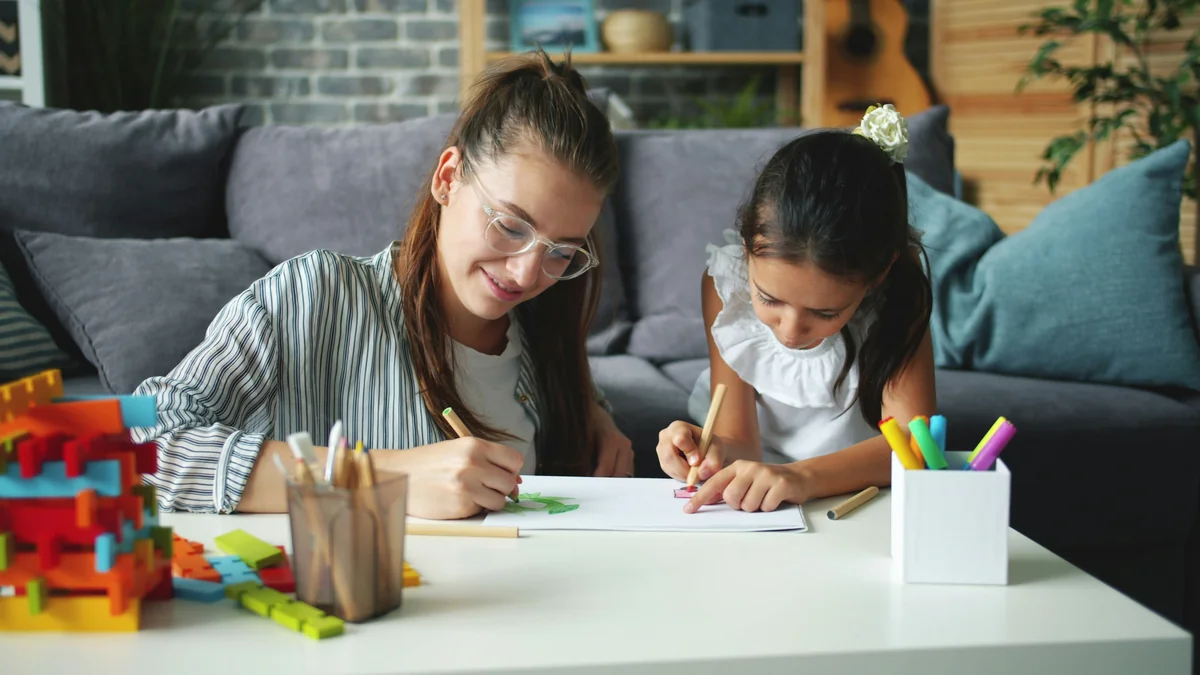
Choosing age-appropriate the concept helps keep children engaged without causing frustration. While every child develops at their own pace, the following ideas offer a helpful starting point.
Toddlers and preschoolers
Young children learn best through play, repetition, and hands-on exploration. Good activities for this age group include:
– Sorting objects by color, shape, or size
– Singing alphabet and counting songs
– Reading picture books together
– Building towers and talking about balance
– Sensory bins with rice, water, or safe household objects
– Naming animals, foods, and everyday items during errands
At this stage, the approach should focus on language development, motor skills, and observation. Keep instructions simple and sessions short.
Early elementary children
Children in early elementary school often enjoy more structure, especially when activities still feel playful. Try:
– Baking to practice measuring and fractions
– Nature scavenger hunts
– Beginner journaling or drawing prompts
– Flashcard games for sight words or math facts
– DIY science experiments like baking soda volcanoes
– Map games that introduce geography
These it can help reinforce classroom concepts while encouraging independent thinking and creativity.
Older elementary and middle school children
As children grow, they benefit from challenges that involve reasoning and responsibility. Good options include:
– Budgeting for a grocery trip
– Researching a topic and giving a mini presentation
– Building simple machines or coding projects
– Family book clubs
– Writing stories together
– Gardening and tracking plant growth
At this age, this can deepen critical thinking and strengthen communication skills. Let children take the lead sometimes by choosing topics that match their interests.
Teens
Teenagers often respond best when learning feels relevant to real life. Consider:
– Cooking full meals and planning nutrition
– Discussing news articles and media literacy
– Exploring career interests through interviews or online courses
– Managing a small budget
– Home improvement projects
– Volunteering in the community
With teens, these work well when framed as collaboration rather than instruction. Respect their opinions and invite meaningful discussion.
How to plan Family learning activities that fit busy schedules
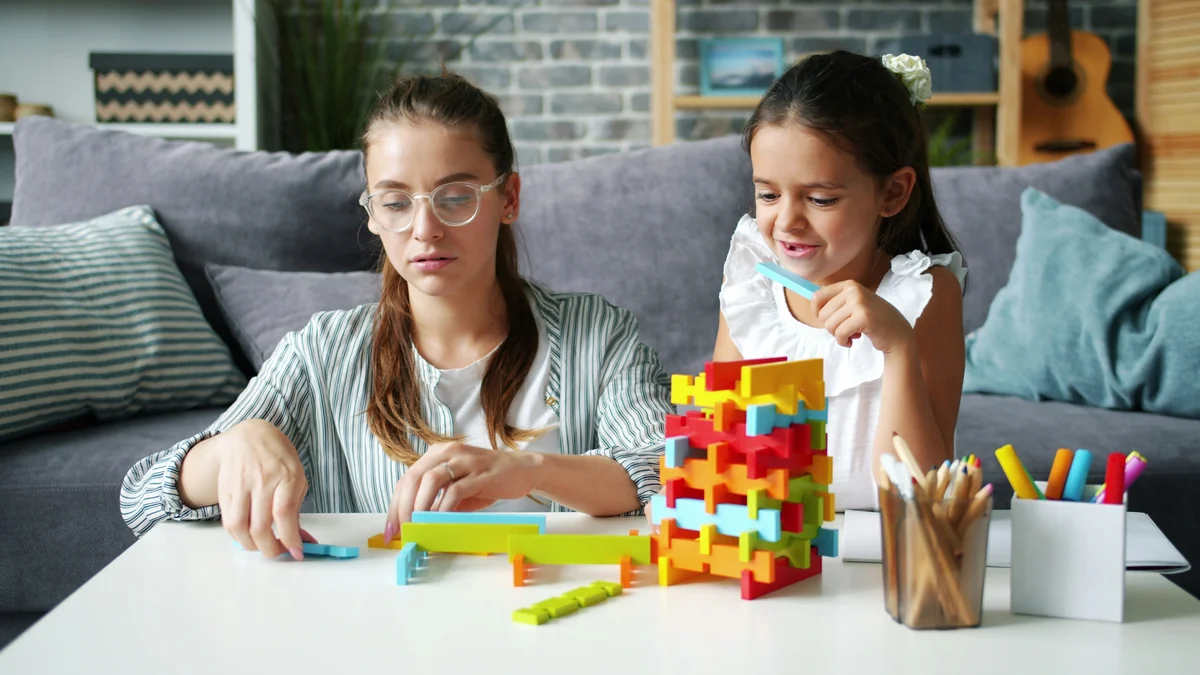
Many parents assume they need large blocks of free time to make learning at home effective. In reality, successful they often grow from routines that are already part of daily life. The key is to be intentional rather than elaborate.
Start by identifying natural learning moments. Mealtime can include counting, measuring, nutrition discussions, or cultural history through recipes. Car rides can become opportunities for word games, storytelling, or memory challenges. Grocery shopping can teach budgeting, comparison, and decision-making.
It also helps to create a simple weekly rhythm. You do not need a rigid schedule, but assigning themes can reduce decision fatigue. For example:
– Monday: reading night
– Tuesday: science experiment
– Wednesday: educational game
– Thursday: cooking lesson
– Friday: creative arts project
This light structure makes the concept easier to maintain. Families are more likely to follow through when expectations are simple and predictable.
Keep materials accessible. A basket with books, crayons, measuring tools, flashcards, and simple craft supplies can make spontaneous learning much easier. If everything is hard to find, it becomes harder to begin.
Another smart strategy is to let children help plan. Ask what they want to learn about this week. When kids feel ownership, they are more invested. You can also rotate responsibility by letting one family member choose an activity each week.
Most importantly, avoid turning every activity into a performance. The goal of the approach is not to recreate school at home. It is to nurture curiosity, conversation, and shared discovery. Some days will be messy or shorter than expected, and that is perfectly fine.
Creative Family learning activities using everyday materials
You do not need a large budget to create meaningful educational experiences. Many of the best it use common household items and everyday situations.

In the kitchen
The kitchen is one of the richest learning spaces in the home. Children can:
– Measure ingredients to practice math
– Observe chemical reactions while baking
– Read recipes for comprehension
– Discuss where foods come from
– Compare nutrition labels
Cooking-based this also build practical life skills and confidence.
In the living room
Simple games and conversations can support learning in powerful ways. Try:
– Family trivia nights
– Story-building games where each person adds a sentence
– Puzzle challenges
– Reading aloud and acting out scenes
– Music and rhythm exercises using household objects
These ideas make these fun while supporting memory, literacy, and problem-solving.
Outside the home
Backyards, sidewalks, parks, and neighborhoods offer countless educational possibilities. Families can:
– Track weather patterns
– Identify plants and insects
– Count steps or estimate distances
– Draw maps of the neighborhood
– Collect leaves and compare shapes
Outdoor they encourage movement, observation, and scientific thinking while reducing screen time.
With recycled materials
Boxes, bottles, paper rolls, and old magazines can become excellent tools for creativity. Use them for:
– Building structures and testing stability
– Creating collages
– Practicing sorting and classification
– Designing pretend stores for math play
– Making homemade instruments
These low-cost the concept teach resourcefulness and invite imagination without requiring special equipment.
Common mistakes to avoid with Family learning activities
Even well-intentioned families can make shared learning feel stressful. Avoiding a few common mistakes can make the approach far more effective and enjoyable.

Making activities too complicated
Parents sometimes overplan and end up overwhelmed. The most successful activities are often the simplest. Reading together, asking thoughtful questions, or exploring the yard can be enough.
Focusing only on academics
While school support is valuable, it should also include creativity, emotional skills, and practical life lessons. Learning is broader than worksheets and test preparation.
Ignoring a child’s interests
Children engage more deeply when topics connect to what they already enjoy. A child who loves dinosaurs might enjoy reading nonfiction, measuring toy figures, drawing habitats, or comparing fossils. Interest-driven this usually create stronger motivation.
Expecting perfect behavior
Children learn through experimentation, and that process can be noisy, messy, and unpredictable. Try to prioritize participation over perfection. A science activity that spills a little may still be highly successful.
Comparing siblings
Each child has a different pace, personality, and preferred learning style. The goal is progress and confidence, not competition. Tailoring these to individual needs creates a more positive experience for everyone.
FAQ about Family learning activities
What are Family learning activities?
they are shared experiences that help children and adults learn together. They can include reading, cooking, games, science experiments, art projects, nature walks, and practical life tasks. The main goal is to combine education with family connection in everyday settings.

How often should families do Family learning activities?
There is no perfect number, but consistency matters more than length. Many families benefit from doing the concept a few times a week or including small learning moments in daily routines. Even 10 to 20 minutes at a time can be valuable.
Can Family learning activities help children who struggle in school?
Yes, Family learning activities can provide extra support in a low-pressure environment. They help children practice skills, ask questions freely, and build confidence. Because learning happens in a familiar setting, children may feel more comfortable taking risks and trying again.
Do Family learning activities need special supplies?
No, many Family learning activities can be done with books, kitchen tools, paper, recycled materials, and everyday household items. Conversations, storytelling, observation, and problem-solving often require little or no cost.
Are Family learning activities useful for teenagers too?
Absolutely. Teens can benefit from Family learning activities that connect to real-world skills such as budgeting, cooking, career exploration, media literacy, and community service. The best approach is to make activities collaborative and relevant to their interests.
Conclusion
Family learning activities offer a practical and rewarding way to support children’s development while strengthening relationships at home. They do not require expensive resources, perfect planning, or teaching expertise. What matters most is creating regular opportunities for curiosity, conversation, and shared problem-solving.
By choosing age-appropriate ideas, using everyday routines, and staying flexible, families can make learning feel natural and enjoyable. From reading and cooking to science experiments and neighborhood walks, small moments can create lasting impact. When approached with patience and enthusiasm, Family learning activities help children build academic skills, confidence, creativity, and a lifelong love of discovery.