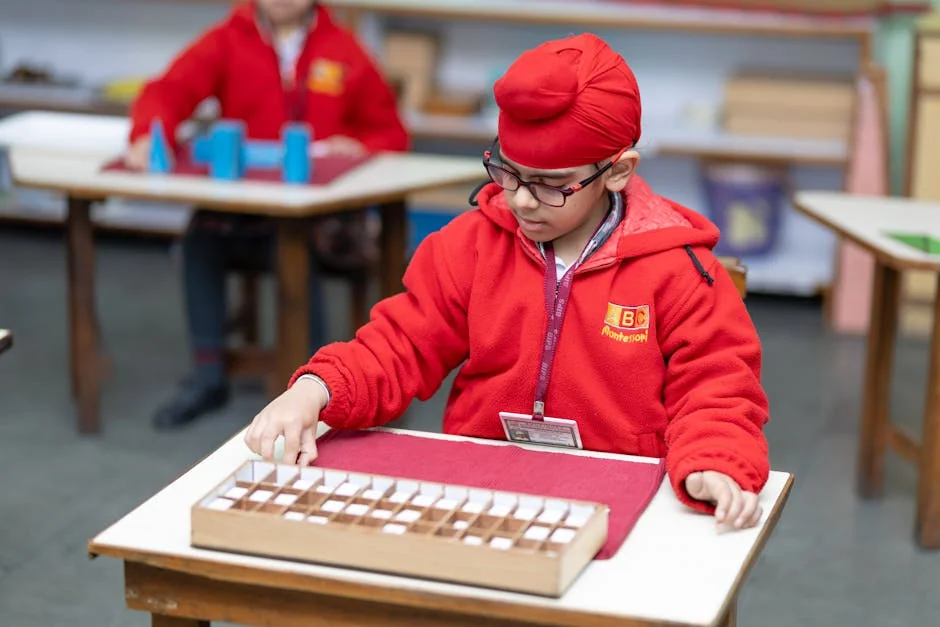

Early childhood education shapes how young children think, feel, communicate, and interact with the world around them. In the first years of life, the brain develops rapidly, making this period especially important for learning habits, emotional security, and social growth. For parents, caregivers, and educators, understanding what high-quality support looks like can make a lasting difference in a child’s future.
Table of Contents
- Why Early childhood education matters so much
- Core features of high-quality Early childhood education
- How Early childhood education supports child development
- Cognitive development
- Language and literacy
- Social and emotional growth
- Physical development
- Executive functioning and self-regulation
- Cultural awareness and identity
- Choosing the right Early childhood education program
- How families and communities can strengthen Early childhood education
- FAQ about Early childhood education
- What is Early childhood education?
- Why is Early childhood education important?
- At what age should a child start Early childhood education?
- What should parents look for in an Early childhood education program?
- Is play really important in Early childhood education?
- Conclusion
Strong programs do more than prepare children for kindergarten. They nurture curiosity, language skills, self-control, and confidence through play, routine, exploration, and caring relationships. When thoughtfully designed, it helps children build the foundation they need for academic success and lifelong well-being. This guide explains why it matters, what effective programs include, how families can choose the right setting, and how communities can support better outcomes for all young learners.
Why Early childhood education matters so much
The earliest years are a critical window for development. During this time, children build the foundations for language, movement, emotional regulation, memory, and problem-solving. Experiences in these years influence not only school readiness but also long-term health, confidence, and social adjustment. That is why this is often seen as one of the most valuable investments a society can make.
Research consistently shows that children benefit when they have access to safe, nurturing, and stimulating learning environments. Positive adult interactions, structured routines, and age-appropriate activities help children understand expectations and explore new ideas. They learn how to cooperate, listen, ask questions, and express themselves in constructive ways.
One of the biggest strengths of quality programs is their ability to support the whole child. Rather than focusing only on academics, effective settings promote physical, emotional, social, and cognitive growth together. A child might build early math skills by sorting blocks, strengthen language during story time, and develop emotional awareness by learning to share and take turns. These skills are deeply connected and reinforce one another.
Families also benefit when children attend reliable, high-quality programs. Parents gain support from trained professionals who can identify developmental milestones, offer guidance, and communicate openly about progress. This partnership can reduce stress and give families practical strategies to continue learning at home.
Another important point is equity. Access to strong learning experiences in the early years can help reduce achievement gaps before they widen. Children from diverse backgrounds often thrive when they receive responsive teaching, inclusive materials, and early intervention when needed. In this way, these can be a powerful tool for expanding opportunity.
The impact extends far beyond preschool. Children who develop strong early literacy, social skills, and self-regulation are often better prepared to handle classroom expectations later on. They may be more likely to engage positively with peers, persist through challenges, and adapt to new environments. While no program guarantees a specific outcome, the evidence is clear that the early years matter enormously.
When adults recognize this stage as foundational rather than optional, they can make more intentional decisions. Whether in a center-based classroom, home-based setting, or community program, thoughtful early learning experiences create patterns that can support children for years to come.
Core features of high-quality Early childhood education

Not every program offers the same experience, so families should know what quality looks like. High standards do not necessarily depend on expensive materials or flashy technology. Instead, strong they is built on relationships, responsive teaching, and developmentally appropriate practice.
A key feature is a warm and supportive environment. Young children learn best when they feel safe, respected, and understood. Teachers should speak kindly, listen carefully, and guide behavior with patience. Secure relationships make it easier for children to take risks, ask for help, and try new activities without fear of failure.
Another essential element is play-based learning. Play is not separate from learning; it is one of the main ways children make sense of the world. Through pretend play, building, art, music, sensory exploration, and outdoor movement, children strengthen creativity, coordination, communication, and critical thinking. Good teachers use play intentionally, linking fun experiences to learning goals in literacy, math, science, and social-emotional development.
Qualified educators are also central to quality. Teachers should understand child development, classroom management, observation, and inclusive practices. They need to know how to adapt activities for different learning styles, abilities, and cultural backgrounds. A well-trained educator can notice when a child is ready for a new challenge or needs extra support.
Low child-to-teacher ratios matter as well. When adults are not overwhelmed, they can provide more individual attention, better supervision, and stronger communication. This helps ensure children receive feedback, comfort, and guidance when they need it most.
A high-quality curriculum should be developmentally appropriate. That means expectations match the age, stage, and needs of the children in the group. Young learners should not be pushed into rigid academic routines too early. Instead, the curriculum should balance guided instruction with exploration, movement, rest, and social interaction.
Family engagement is another strong indicator. Great programs treat parents and caregivers as partners, not outsiders. They share updates, welcome questions, respect family culture, and encourage participation. When home and school work together, children receive more consistent messages and support.
Finally, health and safety cannot be overlooked. Clean spaces, secure facilities, nutritious meals, rest opportunities, and clear emergency procedures all contribute to a positive environment. In strong the concept settings, children’s well-being is protected so learning can flourish.
How Early childhood education supports child development
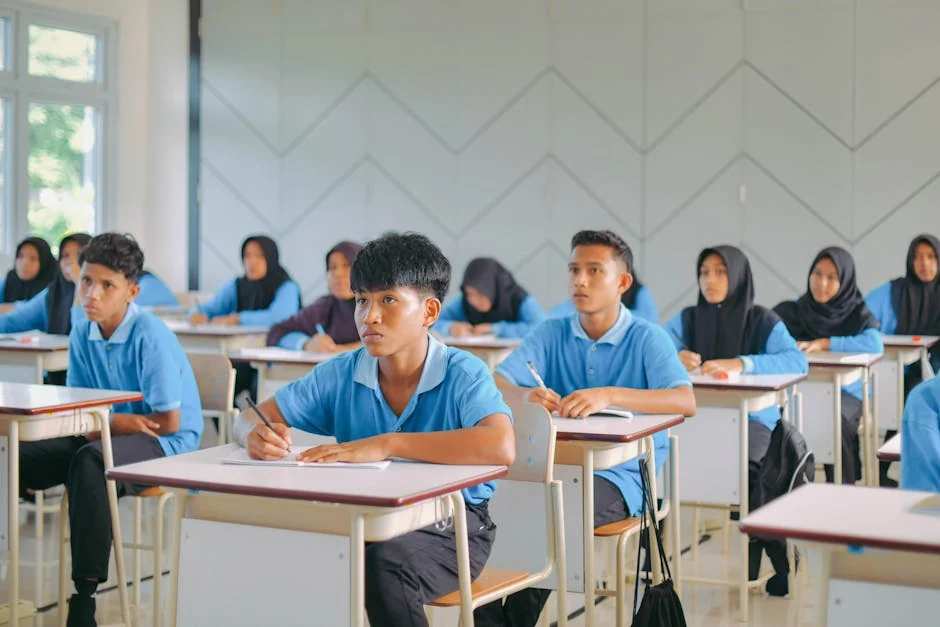
To appreciate the value of strong early learning, it helps to understand the many areas of development it influences. Effective the approach does not focus on a single skill. It supports a broad range of abilities that shape how children function in school and daily life.
Cognitive development
Young children are natural investigators. They ask questions, test ideas, and notice patterns. Quality learning environments encourage this curiosity with hands-on experiences. Children compare sizes, count objects, sort colors, observe nature, and solve simple problems. These activities build attention, memory, reasoning, and early math and science understanding.
Language and literacy
Children need rich language experiences from the beginning. Singing songs, listening to stories, having conversations, and playing with sounds all support communication growth. Educators who talk with children—not just to them—help expand vocabulary and comprehension. Exposure to books, print, and storytelling lays the groundwork for later reading and writing success.
Social and emotional growth
Learning how to manage feelings and interact with others is one of the biggest tasks of early childhood. In group settings, children practice sharing, taking turns, recognizing emotions, and resolving conflict with guidance. Caring adults help them name feelings, build empathy, and develop self-confidence. These experiences strengthen resilience and emotional security.
Physical development
Movement is essential to healthy growth. Children need opportunities to run, climb, balance, draw, stack, and manipulate small objects. Outdoor play and fine motor activities support coordination, strength, and body awareness. These physical skills also contribute to independence in daily routines such as dressing, eating, and using classroom tools.
Executive functioning and self-regulation
An often overlooked benefit of it is the development of self-control and flexible thinking. Following routines, transitioning between activities, listening to instructions, and waiting for a turn help children build executive function. These skills are strongly connected to long-term academic and social success because they influence how children focus, plan, and respond to challenges.
Cultural awareness and identity
Children thrive when they see their family life, language, and traditions respected in the learning environment. Inclusive classrooms use diverse books, songs, images, and celebrations to help children develop a healthy sense of identity while appreciating differences in others. This creates belonging and promotes mutual respect from an early age.
Because development is interconnected, gains in one area often support another. A child who feels emotionally safe may be more willing to speak during group time. A child with stronger motor skills may explore materials more confidently. That is why comprehensive, relationship-based this can have such a lasting and meaningful impact.
Choosing the right Early childhood education program
Finding the right setting can feel overwhelming for families, especially when options vary in cost, philosophy, schedule, and quality. The best these program is one that matches a child’s needs while offering a safe, nurturing, and stimulating environment.

Start by considering practical factors. Location, hours, affordability, transportation, and availability all matter. Even an excellent program may not be sustainable if it creates daily stress for the family. Once the basics are clear, it is important to look deeper at the quality of care and learning.
Visit programs in person whenever possible. Observe how teachers interact with children. Are they warm, engaged, and attentive? Do they get down to the child’s level, ask open-ended questions, and respond calmly to behavior? Strong adult-child interaction is often one of the clearest signs of quality.
Pay attention to the environment. A good classroom should be clean, organized, and welcoming. Materials should be accessible, age-appropriate, and varied enough to support different types of play and learning. Look for books, blocks, art supplies, dramatic play areas, sensory materials, and outdoor opportunities. Screens should not dominate the day for young children.
Ask about the daily schedule. Children benefit from predictable routines that include play, group time, meals, rest, and outdoor activity. If the program seems overly rigid or heavily focused on worksheets, it may not reflect best practice. Young learners need active, hands-on experiences rather than long periods of passive instruction.
Families should also ask about teacher qualifications, staff turnover, and child-to-adult ratios. Consistency matters in the early years. High turnover can disrupt relationships and create instability for children. A stable team with training in child development is generally a positive sign.
Inclusion is another major consideration. The best programs welcome children of different backgrounds, abilities, languages, and temperaments. Ask how staff support children with developmental differences or those learning more than one language. A program that values inclusion is often more responsive and thoughtful overall.
Communication practices are important too. Families should know how updates are shared, how concerns are handled, and how teachers collaborate with parents. A strong they program does not treat family engagement as optional. It builds trust through regular, respectful communication.
Finally, trust your observations. If a setting feels cold, chaotic, or disconnected, that instinct may be worth exploring. The right program should help both child and family feel supported. Quality is not about perfection; it is about consistent care, meaningful learning, and relationships that help children thrive.
How families and communities can strengthen Early childhood education
High-quality learning in the early years does not happen only in formal classrooms. Families, neighborhoods, libraries, health providers, and policymakers all influence children’s development. When communities work together, the concept becomes stronger, more accessible, and more effective.

At home, parents and caregivers play the most important role in a child’s learning. Everyday routines can become rich educational moments. Reading before bed, talking during meals, counting objects while shopping, and encouraging pretend play all support development. Children do not need constant structured lessons; they need responsive relationships and opportunities to explore.
Consistent routines are especially valuable. Regular sleep, meals, play, and quiet time help children feel secure and ready to learn. Families can also support independence by allowing children to make simple choices, help with small tasks, and practice self-care skills.
Communities can expand support through public resources. Libraries often provide story hours, music programs, parent workshops, and free access to books. Parks, museums, and community centers can offer safe places for exploration and social interaction. These spaces enrich learning and help families who may not have access to private programs.
Healthcare providers also contribute by monitoring development, answering parent questions, and identifying concerns early. Speech delays, sensory issues, vision problems, or social difficulties can be addressed more effectively when noticed early. Collaboration between families, teachers, and health professionals can make support more coordinated and timely.
Employers and policymakers have a role as well. Affordable childcare, paid family leave, parent education, and public investment in quality programs all affect whether children can access strong early learning opportunities. Many families understand the value of these services but struggle with cost and availability. Long-term improvement requires policy decisions that treat the early years as a public priority.
Professional development for educators is equally important. Teachers need ongoing training, fair compensation, and emotional support to do their work well. When the workforce is undervalued, quality can suffer. Strong systems recognize that children benefit most when educators are respected and well-prepared.
Ultimately, the approach works best when it is seen as a shared responsibility. Families provide love and daily learning experiences. Educators create intentional environments. Communities supply resources and connection. Policymakers shape access and standards. Together, these efforts create a stronger foundation for children and a healthier future for society.
FAQ about Early childhood education
What is Early childhood education?
it refers to the care, teaching, and learning experiences provided to young children, typically from birth to around age eight. It includes programs such as preschool, pre-K, daycare with educational components, and early elementary support designed to promote social, emotional, physical, and cognitive development.
Why is Early childhood education important?
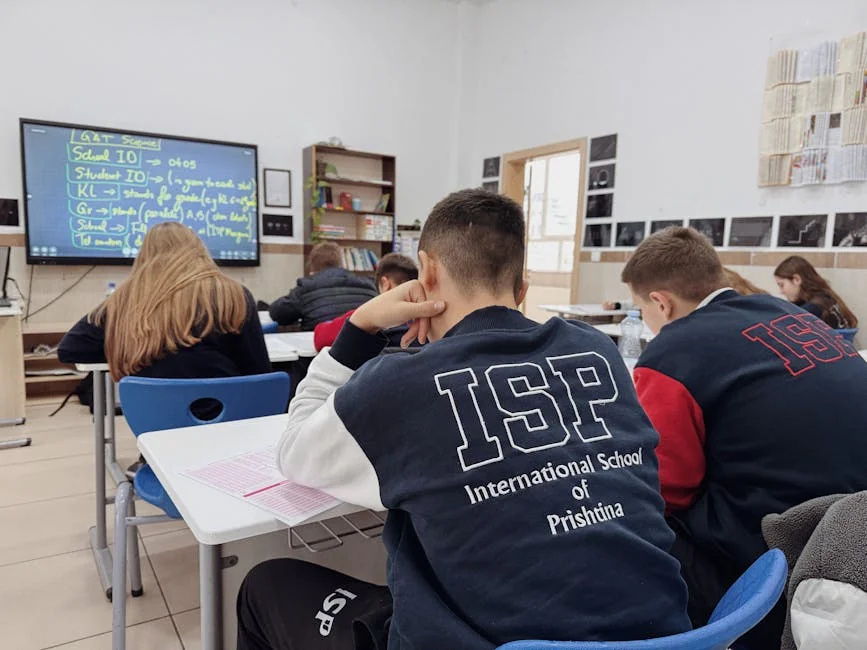
this is important because the first years of life are a major period of brain development. During this time, children build foundational skills in language, self-regulation, problem-solving, and relationships. Strong early experiences can improve school readiness and support long-term well-being.
At what age should a child start Early childhood education?
There is no single age that fits every family. Some children begin Early childhood education in infancy through childcare settings, while others start with preschool around ages three or four. The right time depends on family needs, child temperament, and the quality of available programs.
What should parents look for in an Early childhood education program?
Parents should look for warm teacher-child interactions, safe and clean facilities, developmentally appropriate activities, low child-to-adult ratios, qualified staff, and strong communication with families. A quality Early childhood education program should support play, exploration, and the whole child rather than focusing only on academics.
Is play really important in Early childhood education?
Yes. Play is one of the most effective ways young children learn. In Early childhood education, play supports creativity, language, social skills, motor development, and problem-solving. Guided play helps children build important skills while staying engaged and curious.
Conclusion
The early years lay the groundwork for how children learn, relate to others, and view themselves. When children receive responsive care, meaningful play opportunities, and developmentally appropriate guidance, they are better equipped to grow with confidence and curiosity. That is the lasting promise of Early childhood education.
For families, choosing a program involves more than finding supervision. It means identifying an environment where a child feels safe, valued, and encouraged to explore. For communities, it means investing in access, quality, and support for the adults who care for young learners. When approached thoughtfully, Early childhood education can strengthen school readiness, family well-being, and long-term social outcomes. Supporting children early is not only beneficial in the present; it is one of the smartest ways to build a better future.