Introduction
A it is the backbone of efficient, hygienic, and scalable snus production. As demand grows for consistent product quality, traceability, and faster throughput, manufacturers need packaging systems that do far more than simply fill and seal containers. Modern equipment integrates dosing accuracy, labeling precision, vision inspection, coding, and end-of-line handling into one streamlined process. Whether a company is launching a new facility or upgrading legacy equipment, understanding how each stage works can reduce waste, improve compliance, and support long-term profitability.
Table of Contents
- Introduction
- What is a Snus packaging line and how does it work?
- Key components of a Snus packaging line
- Container feeding and orientation
- Product dosing and filling
- Lid placement and sealing
- Labeling and coding
- Inspection and rejection
- Secondary packaging and palletizing
- Benefits of investing in a modern Snus packaging line
- How to choose the right Snus packaging line for your facility
- Best practices to optimize Snus packaging line performance
- FAQ about Snus packaging line systems
- What is the main purpose of a Snus packaging line?
- How fast can a Snus packaging line operate?
- Can a Snus packaging line handle multiple package sizes?
- What should I look for in a supplier?
- How do I improve efficiency on a Snus packaging line?
- Conclusion
This guide explains the core components, operating principles, selection criteria, and optimization strategies behind a this. It is designed for manufacturers, plant managers, engineers, and procurement teams seeking practical insight into equipment performance and packaging efficiency.
What is a Snus packaging line and how does it work?
A these is an integrated system designed to package snus products into final retail-ready formats with speed, accuracy, and consistency. While line configurations vary by manufacturer, most systems include product feeding, can or pouch handling, filling, closing, sealing, labeling, coding, inspection, and case packing. The goal is to move product from upstream production to finished packaged units with minimal manual intervention.
In a typical process, empty containers are first oriented and fed into the machine sequence. Product is then dosed into the package according to predefined weight or volume targets. Lids or closures are applied, and the package is sealed to maintain freshness and protect quality during storage and distribution. Once sealed, the pack receives labels, date or batch codes, and sometimes tamper-evident features. Inspection systems then verify fill levels, seal integrity, print accuracy, and package presence before units move to cartoning or palletizing.
Automation plays a major role in modern snus operations. Servo-driven systems, programmable logic controllers, and vision inspection tools allow precise synchronization between stations. This improves line speed while reducing operator error. It also supports traceability, a growing requirement in regulated consumer goods markets.
A well-designed they also helps manufacturers maintain hygienic standards. Stainless steel construction, easy-clean surfaces, enclosed transfer points, and washdown-friendly components are common in high-quality systems. These design features reduce contamination risk and simplify maintenance routines.
Flexibility is another major consideration. Some manufacturers need equipment capable of handling multiple can sizes, materials, label formats, or packaging styles. Quick changeover tools and recipe-driven controls allow the line to adapt without excessive downtime. That flexibility can be especially valuable for producers offering private-label products or frequent limited-edition releases.
Ultimately, the effectiveness of a packaging operation depends on how well each station communicates with the next. Bottlenecks, inaccurate dosing, poor sealing, or labeling errors can slow output and increase waste. For that reason, successful implementation requires not just purchasing equipment, but engineering a balanced line that matches production needs, labor capabilities, and quality targets.
Key components of a Snus packaging line
Understanding the main stations within a the concept is essential when evaluating suppliers or planning a new installation. Each component contributes to overall performance, and even a single weak point can affect productivity.
Container feeding and orientation
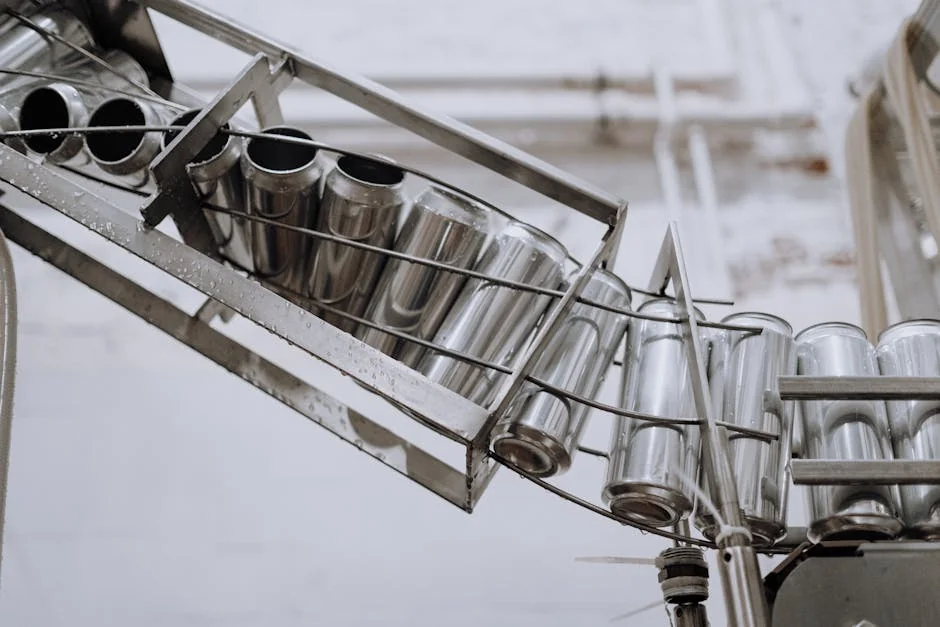
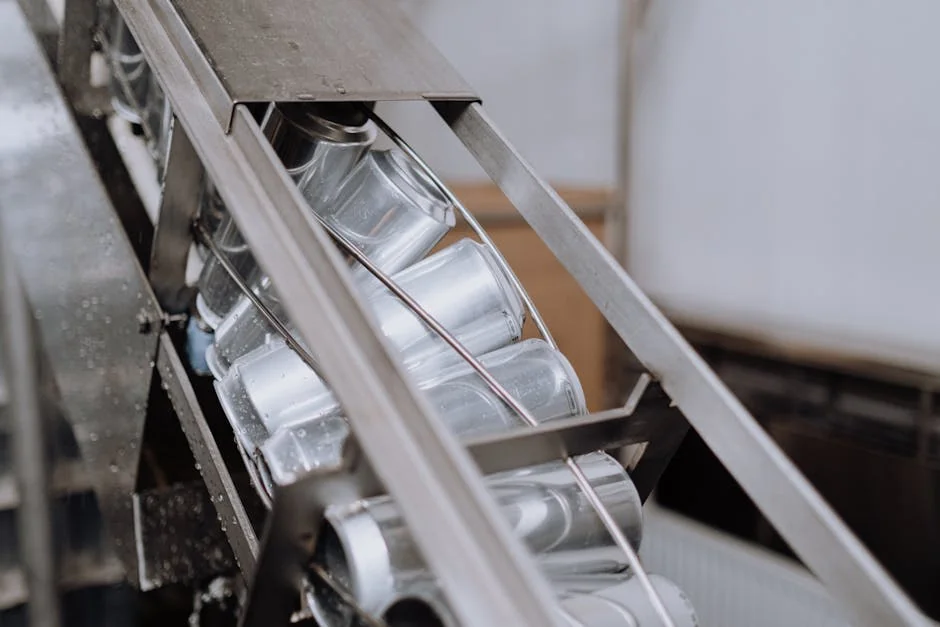
Packaging starts with the reliable feeding of empty cans, tubs, or other packaging formats. Unscramblers, conveyors, and orientation systems ensure that every container enters the next station in the correct position. If feeding is inconsistent, the entire line may suffer interruptions or jams. Well-designed systems use sensors and guided handling to maintain stable flow.
Product dosing and filling
The filling stage is one of the most critical parts of the process. Dosing systems must deliver the right amount of product with high repeatability. Underfilling can create compliance and customer satisfaction issues, while overfilling increases giveaway and cost. Depending on product characteristics, filling equipment may use volumetric, gravimetric, or custom-engineered dosing technologies. For manufacturers focused on yield control, this is often the most important area for optimization.
Lid placement and sealing
After filling, containers move to closure application. This may involve placing lids, pressing closures into position, or applying heat or pressure seals depending on package design. Seal consistency directly affects shelf life, freshness, and product protection. Inadequate sealing can lead to leakage, contamination, or returns. High-performance systems include monitoring tools that verify correct closure placement in real time.
Labeling and coding
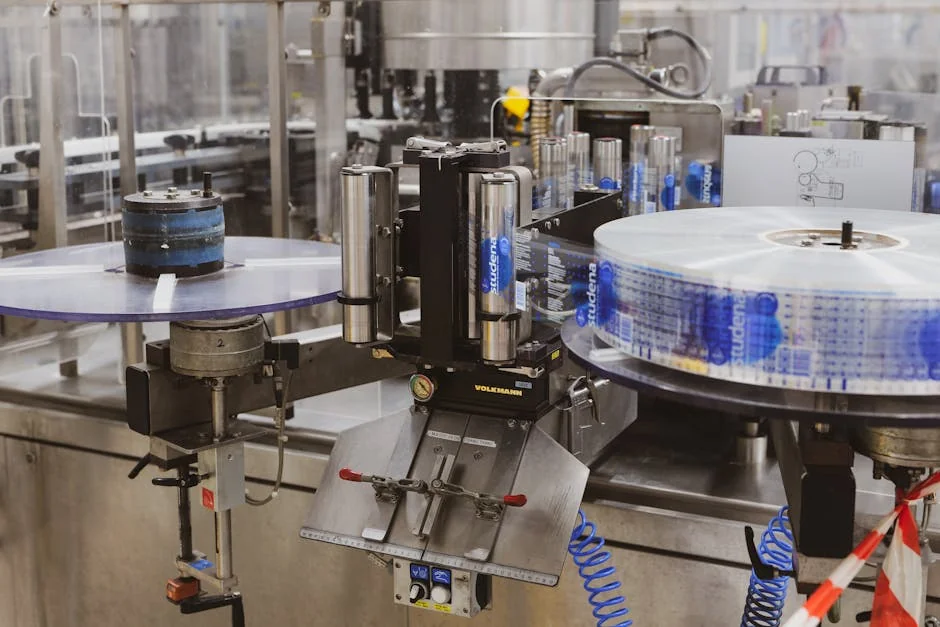
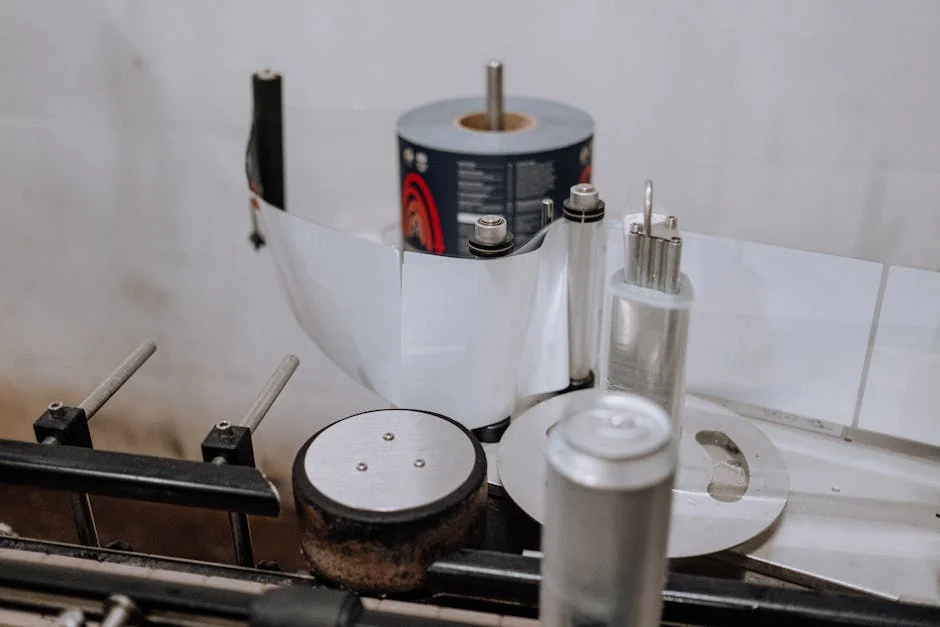
Brand presentation and traceability rely heavily on labeling and coding. A packaging line may apply wraparound labels, top labels, bottom labels, or multi-panel branding depending on the container format. Inkjet or laser coding systems add batch numbers, manufacturing dates, or other compliance information. Good coding quality is essential for recalls, warehouse tracking, and regulatory readiness.
Inspection and rejection
Vision systems, checkweighers, and seal inspection devices identify defects before products leave the facility. If a pack is missing a label, has an incorrect code, falls outside weight tolerance, or shows sealing issues, the system can automatically reject it. This protects brand reputation and reduces the risk of defective products reaching retail channels.
Secondary packaging and palletizing
The final stage of a the approach often includes case packing, shrink wrapping, carton loading, and palletizing. End-of-line automation reduces manual labor and helps prepare finished goods for transport. This stage is especially important in high-volume operations, where small inefficiencies can create large downstream costs.
When all of these components are correctly specified and integrated, the result is a packaging system that delivers speed, quality, and cost control. Manufacturers should assess not only machine specifications, but also how seamlessly each module works with upstream and downstream processes.
Benefits of investing in a modern Snus packaging line
A modern it offers far more than faster output. It creates measurable business advantages across productivity, quality assurance, labor efficiency, and long-term operating cost.
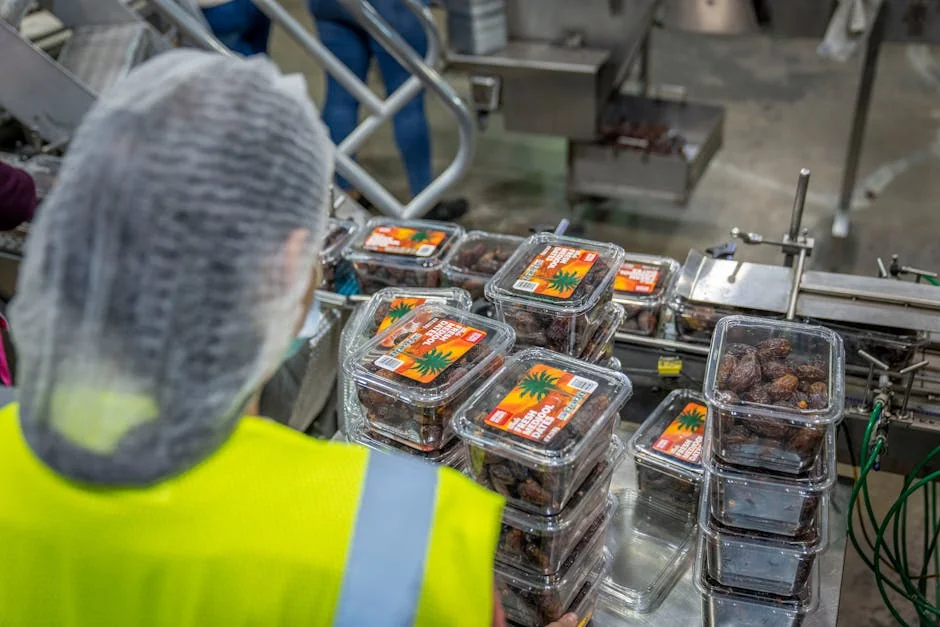
One of the biggest benefits is improved throughput. Automated packaging systems can run continuously at high speed with less variation than manual or semi-automatic setups. This allows manufacturers to meet growing market demand without sacrificing consistency. Higher output also supports better asset utilization across production facilities.
Another major advantage is dosing and sealing accuracy. Precision controls reduce product giveaway, maintain pack uniformity, and improve overall quality. These gains matter because even small inaccuracies, repeated across millions of units, can significantly affect profitability. Better sealing performance also protects freshness and minimizes complaints related to damaged or compromised packaging.
Labor optimization is another key reason companies upgrade equipment. A well-engineered this reduces repetitive manual tasks and reallocates staff toward quality control, maintenance, and higher-value operational work. In markets where labor availability is limited or wage pressure is rising, automation can deliver a strong return on investment.
Traceability and compliance also improve with modern machinery. Integrated coding, inspection, and data capture features help manufacturers document each batch and verify packaging integrity. This is useful for internal quality programs as well as external audits. When every pack can be linked to production data, root-cause analysis becomes faster and more accurate.
Modern systems also support flexibility. Many lines are built to handle different package sizes, label variants, and production recipes with quick changeover functions. That makes it easier to launch new products, serve multiple customer segments, or respond to private-label demands without lengthy downtime.
From a maintenance perspective, newer machines typically include diagnostics, remote support capabilities, and modular parts that simplify service. Predictive maintenance features can identify issues before they cause major stoppages. This reduces unplanned downtime and improves overall equipment effectiveness.
Sustainability is an increasingly important consideration as well. New packaging equipment often uses energy more efficiently, reduces material waste, and supports lightweight or recyclable packaging formats. For manufacturers with environmental targets, these features can align operational improvements with broader corporate goals.
In short, packaging technology has become a strategic asset rather than just a production necessity. Companies that invest wisely can gain a stronger competitive position through lower costs, higher reliability, and better product presentation.
How to choose the right Snus packaging line for your facility
Selecting the right these requires more than comparing speeds on a brochure. The best solution is the one that fits your product characteristics, plant layout, growth plans, quality standards, and budget.
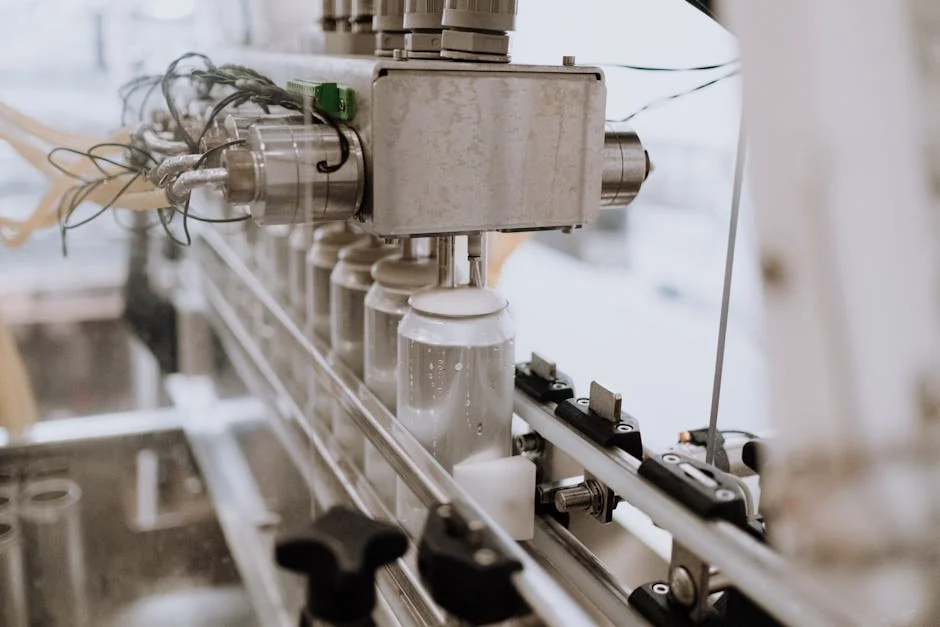
Start by defining production requirements clearly. How many units per minute do you need today, and what will demand look like in three to five years? Buying undersized equipment may create capacity issues quickly, while overspending on excessive capacity can hurt return on investment. A realistic forecast helps narrow the field.
Next, evaluate packaging formats. Different lines are optimized for different can sizes, closure designs, label applications, and secondary packaging styles. If you produce multiple SKUs, changeover time becomes a critical factor. Ask suppliers how fast operators can switch formats, how many tools are required, and whether recipe settings are digitally stored for repeatability.
Product behavior should also influence equipment selection. Moisture levels, texture, density, and flow characteristics all affect filling performance. It is important to test actual product samples on supplier equipment whenever possible. A line that performs well with one formulation may behave differently with another.
Integration is another key issue. Your they must connect smoothly with upstream manufacturing and downstream warehousing systems. Conveyor design, line balancing, floor space, power requirements, compressed air needs, and data communication protocols all matter. A packaging line that looks efficient in isolation may create bottlenecks if it does not fit the wider operation.
Supplier support can be just as important as machine design. Consider installation services, training, spare parts availability, remote diagnostics, and local technical support. Fast service response can make a major difference in uptime over the life of the equipment. Ask for references from similar facilities and review long-term customer experiences, not just initial sales claims.
Total cost of ownership should guide the final decision. This includes the purchase price, installation costs, maintenance needs, consumables, energy use, staffing requirements, and expected lifespan. Sometimes a lower-priced machine becomes more expensive over time due to downtime, poor reliability, or frequent adjustments.
It is also wise to assess data and automation capabilities. Advanced control systems can provide performance dashboards, reject analysis, maintenance alerts, and production tracking. These tools help managers improve efficiency and make more informed decisions.
Before final approval, conduct a formal factory acceptance test and define clear performance criteria. These should cover speed, accuracy, reject rate, changeover time, and quality thresholds. A structured validation process reduces surprises during startup and gives all stakeholders a shared benchmark for success.
Best practices to optimize Snus packaging line performance
Once installed, a the concept needs continuous optimization to deliver the best possible return. Even high-end machinery underperforms without proper setup, maintenance, and operational discipline.
The first best practice is line balancing. Every station should be matched as closely as possible in terms of throughput. If filling runs faster than labeling, or case packing cannot keep up with sealing, product will accumulate and efficiency will drop. Monitoring each station’s performance helps identify recurring bottlenecks and opportunities for improvement.
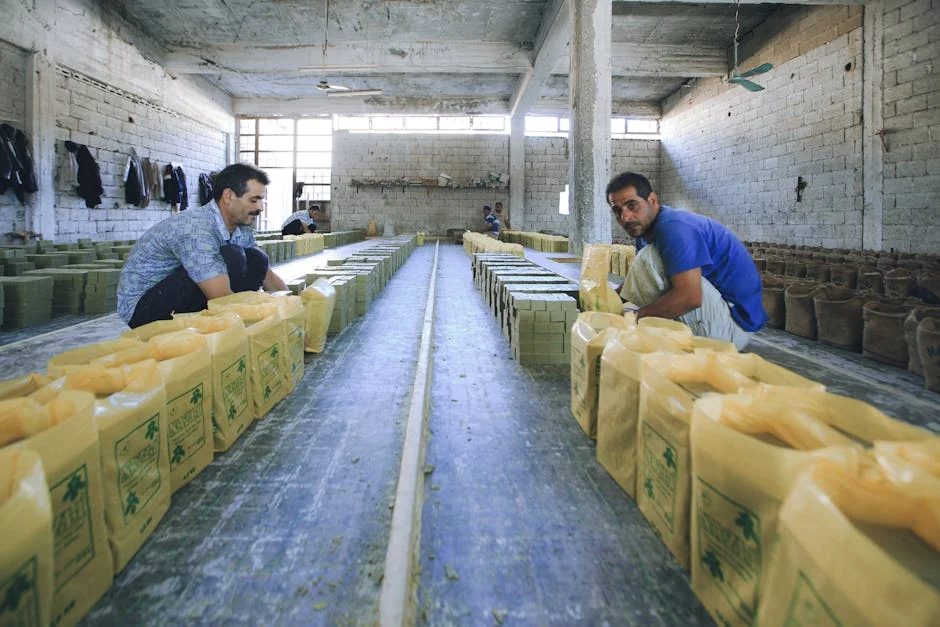
Preventive maintenance is equally important. Packaging equipment contains moving parts, sensors, sealing components, and handling systems that require regular inspection. Scheduled lubrication, wear-part replacement, alignment checks, and calibration routines reduce unexpected failures. A reactive maintenance approach almost always costs more in downtime and lost product.
Operator training has a major impact on line performance. Staff should understand startup procedures, changeovers, cleaning routines, fault recovery, and quality checkpoints. Well-trained teams can spot issues earlier and resolve minor stoppages before they escalate. Training should not be a one-time event; refresher programs help maintain high standards as teams change.
Quality monitoring must be built into daily operations. Check fill weights, seal integrity, label placement, and coding accuracy at scheduled intervals. Trend analysis can reveal slow drift in machine settings before it turns into significant waste or nonconforming output. Many facilities benefit from combining automated inspection with manual quality verification.
Data collection is another strong performance driver. Measuring overall equipment effectiveness, reject rate, mean time between failures, and changeover duration creates visibility into what the line is actually doing. Without reliable data, improvement efforts often rely on assumptions. With good data, teams can prioritize actions that generate the biggest gains.
Sanitation and housekeeping also support efficiency. Product buildup, adhesive residue, dust, and misaligned packaging materials can interfere with sensors and moving parts. A clean line is easier to inspect, safer to operate, and less likely to experience avoidable stoppages.
Changeover optimization deserves special attention in multi-SKU environments. Standardized tools, visual settings guides, pre-staged materials, and digital recipes can reduce downtime significantly. Even a few minutes saved per changeover can add substantial productive time over a year.
Finally, foster collaboration between production, quality, engineering, and maintenance teams. The best results come when departments share data and solve recurring issues together. Packaging performance is rarely the responsibility of one team alone.
FAQ about Snus packaging line systems
What is the main purpose of a Snus packaging line?
The main purpose of a Snus packaging line is to package snus products efficiently, accurately, and hygienically while maintaining consistent quality. It automates key steps such as filling, sealing, labeling, inspection, and secondary packing to reduce labor demands and improve throughput.
How fast can a Snus packaging line operate?
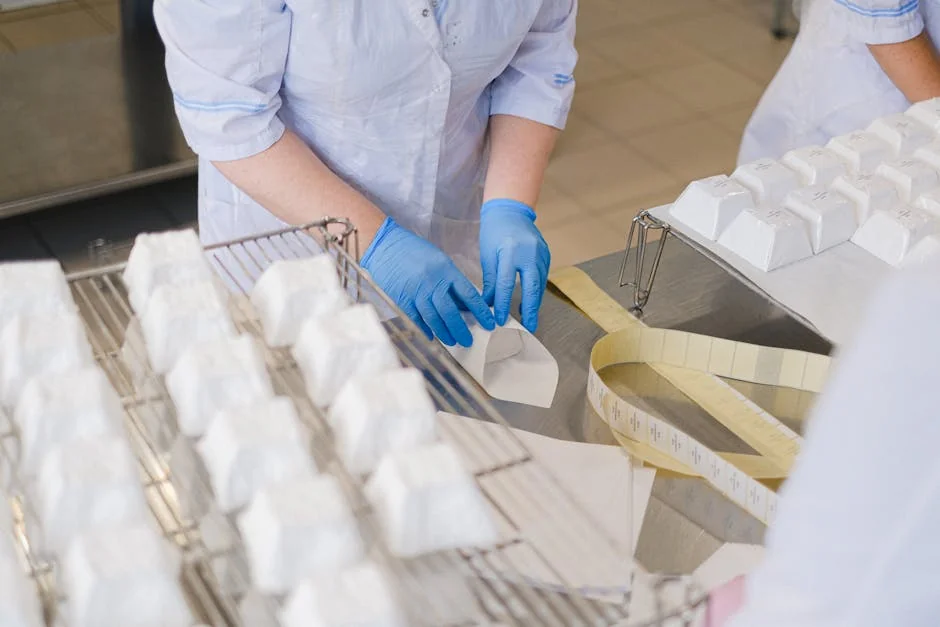
The speed of a Snus packaging line depends on product format, machine design, and level of automation. Some lines are designed for moderate output and flexibility, while high-capacity systems can process large volumes continuously. Actual performance should be verified through testing with your specific product and packaging materials.
Can a Snus packaging line handle multiple package sizes?
Yes, many modern systems are designed with flexibility in mind. A Snus packaging line can often handle multiple can sizes, label types, and closure formats if it includes quick changeover features and programmable recipes. This is especially useful for manufacturers with diverse product portfolios.
What should I look for in a supplier?
When choosing a supplier, look beyond machine speed. Evaluate the supplier’s experience, installation support, spare parts access, training programs, and after-sales service. The right Snus packaging line should come with reliable technical support and proven performance in similar manufacturing environments.
How do I improve efficiency on a Snus packaging line?
To improve efficiency on a Snus packaging line, focus on preventive maintenance, operator training, line balancing, inspection accuracy, and data analysis. Regular review of downtime causes and reject trends can help identify process improvements that increase output and reduce waste.
Conclusion
A Snus packaging line is a critical investment for any manufacturer aiming to improve packaging efficiency, product quality, and operational scalability. From container handling and precision filling to sealing, labeling, inspection, and end-of-line automation, every stage contributes to overall performance. Choosing the right system requires a clear understanding of production goals, packaging formats, integration needs, and supplier support capabilities.
With the right planning and ongoing optimization, a Snus packaging line can reduce waste, strengthen compliance, support flexible product offerings, and deliver a strong long-term return. For manufacturers seeking dependable growth in a competitive market, packaging automation is no longer optional—it is a core part of modern production strategy.