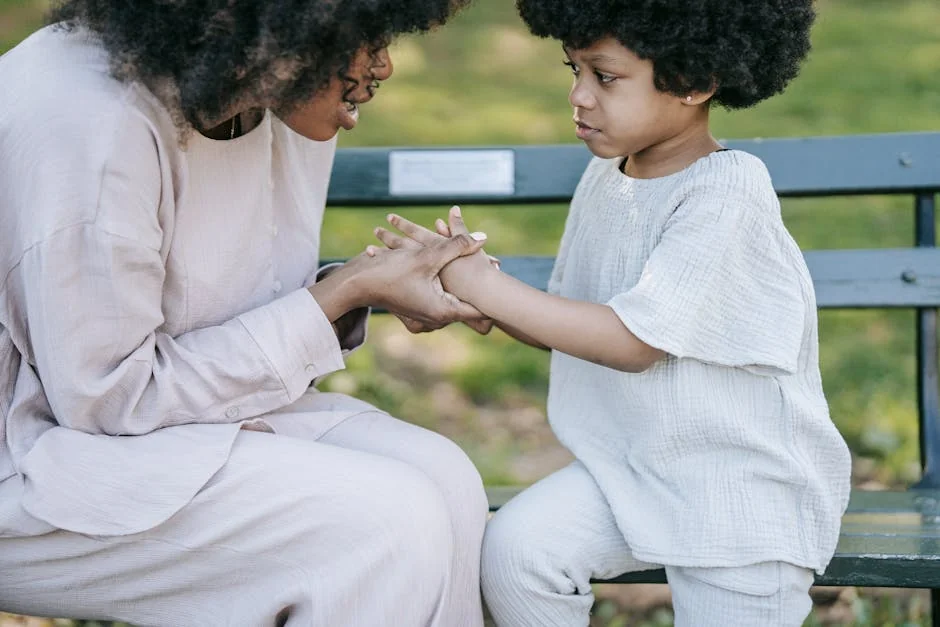

Parent-child communication is one of the strongest predictors of a healthy family relationship. When children feel heard, respected, and safe, they are more likely to share worries, ask for guidance, and develop confidence in their own voice. Good conversations at home also shape emotional regulation, problem-solving, empathy, and resilience.
Table of Contents
- Why Parent-child communication matters at every age
- Core skills that improve Parent-child communication
- Common barriers to Parent-child communication
- Daily strategies for stronger Parent-child communication
- Parent-child communication in difficult conversations
- FAQ about Parent-child communication
- How can I improve Parent-child communication with a child who rarely talks?
- What should I avoid in Parent-child communication?
- How does Parent-child communication change during the teen years?
- Can Parent-child communication help with behavior problems?
- Conclusion
In every stage of development, from toddlerhood to the teenage years, the way parents speak and listen matters. Tone, timing, body language, and consistency all influence whether a child opens up or shuts down. Strong family dialogue does not require perfect words. It requires presence, patience, and a willingness to understand before reacting. This guide explains practical ways to improve it, overcome common barriers, and create everyday habits that strengthen connection over time.
Why Parent-child communication matters at every age
this affects how children understand themselves, others, and the world around them. In early childhood, conversations teach emotional vocabulary and basic trust. A child who hears, “I see that you’re upset,” begins to connect feelings with words. In middle childhood, discussion helps children process school experiences, friendships, and growing independence. During adolescence, open dialogue becomes even more important because teens face social pressure, identity questions, and more complex emotional challenges.
When communication is healthy, children are more likely to speak honestly about mistakes, fears, and needs. They also learn that disagreement does not have to damage love or respect. This creates a secure foundation for discipline, cooperation, and emotional safety. Families that prioritize these often notice fewer power struggles because children feel included rather than controlled.
Research and lived experience both show that children thrive when they are listened to consistently. Active listening communicates value. It tells a child, “Your thoughts matter here.” That message supports self-esteem and reduces the need to seek validation in unhealthy places. In addition, strong communication helps parents notice shifts in mood or behavior earlier, which can be critical when a child is dealing with bullying, anxiety, or academic stress.
The benefits also extend into adulthood. Children raised in homes with respectful, open conversations tend to carry those same habits into friendships, work relationships, and future parenting. In that way, they is not just about solving today’s issues. It is about building lifelong relational skills.
Core skills that improve Parent-child communication

Improving the concept starts with a few practical skills that can be learned and repeated. The first is active listening. This means giving your full attention, making eye contact when appropriate, and reflecting back what you hear. Instead of jumping to advice, try saying, “It sounds like you felt left out today.” That simple response can lower defensiveness and invite more honesty.
A second essential skill is emotional validation. Validation does not mean agreeing with every behavior. It means acknowledging the reality of a child’s feelings. For example, “I understand why that made you angry,” is different from approving hurtful actions. Children calm down faster when they feel understood, and that creates space for teaching and correction.
The third skill is using clear and age-appropriate language. Young children need short, concrete sentences. Older children and teens benefit from respectful explanations and collaborative problem-solving. Effective the approach adapts to the child’s maturity level instead of relying on one approach for every age.
Nonverbal communication matters as much as words. Facial expression, tone, posture, and timing can either support or undermine a message. A parent may say, “I’m listening,” but if they are distracted by a phone or speaking in a harsh tone, the child receives a different message. Calm presence often communicates safety more powerfully than a perfect script.
Consistency is another overlooked skill. If parents are warm and attentive one day but dismissive the next, children may stop sharing because they cannot predict the response. Reliable attention builds trust over time. Even small rituals, such as talking during dinner or bedtime, can strengthen it because they create regular opportunities to connect.
Finally, ask open-ended questions. Questions like “What was the best and hardest part of your day?” invite more depth than “Did you have a good day?” Open questions encourage reflection and show curiosity rather than interrogation. Children are more likely to engage when they do not feel judged or rushed.
Common barriers to Parent-child communication

Even loving families can struggle with this. One common barrier is distraction. Busy schedules, digital devices, and constant multitasking can leave children feeling as if there is never a good moment to talk. If meaningful conversations are always delayed, children may conclude that their concerns are not important enough to bring up.
Another barrier is reacting too quickly. When a child shares something difficult, parents may immediately lecture, criticize, or try to fix the problem. Although these responses often come from concern, they can shut conversation down. A child who expects punishment or panic may hide the truth next time. Better these often begins with pausing before responding.
Generational differences can also create misunderstanding. Parents and children may have different views on privacy, friendships, school pressure, technology, or emotional expression. Without curiosity, these differences can turn into conflict. Parents do not need to agree with everything, but they do need to understand the child’s perspective well enough to respond wisely.
Stress is another major obstacle. Financial pressure, work demands, family conflict, or parental burnout can make patience harder to access. Children are sensitive to emotional climate. If a home feels tense, they may avoid conversations that seem likely to add more stress. In these moments, protecting calm routines becomes especially valuable.
Some families also struggle because communication patterns from previous generations are repeated without question. A parent who grew up in a home where feelings were dismissed may unintentionally do the same. Recognizing these patterns is a powerful step toward change. Strong they is often built by choosing intentional habits rather than repeating automatic ones.
Finally, unrealistic expectations can damage connection. Children may not always have the words to explain what they feel, especially when upset. Teens may need time before opening up. Expecting immediate honesty or emotional maturity can lead to frustration on both sides. Patience and timing matter.
Daily strategies for stronger Parent-child communication
The most effective way to strengthen the concept is through small daily practices, not rare big talks. One helpful strategy is creating predictable connection points. Family meals, walks, bedtime chats, or school pickups can become low-pressure spaces for conversation. Predictability reduces anxiety because children know they will have chances to be heard.
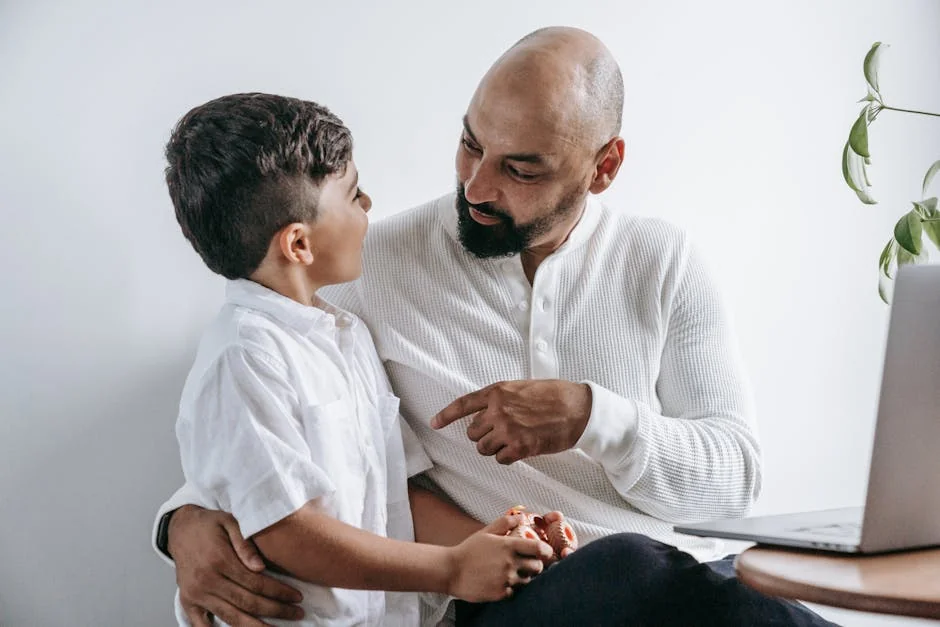
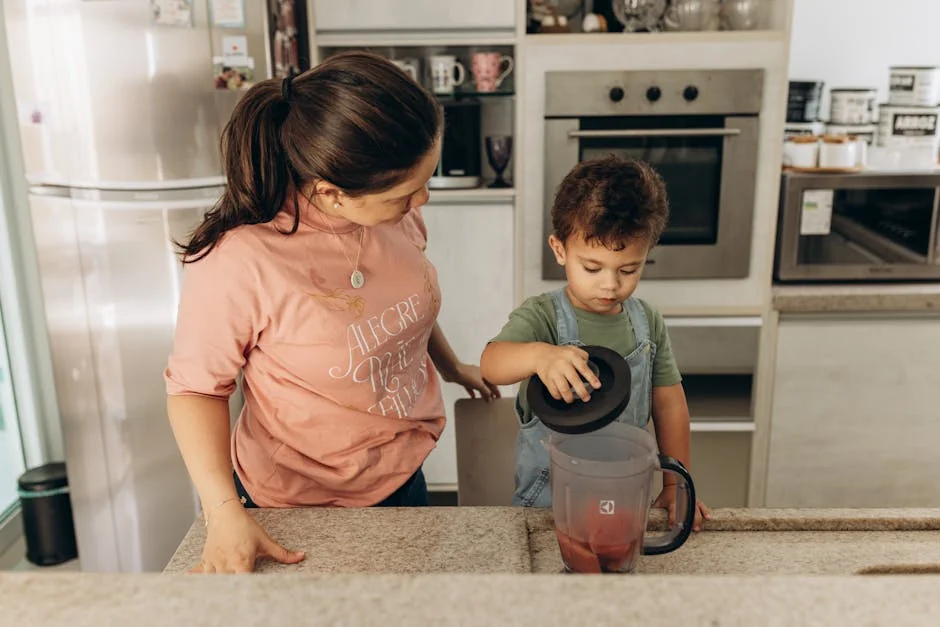
Another useful strategy is following the child’s lead. Some children talk most while playing, drawing, cooking, or riding in the car. Face-to-face intensity can feel uncomfortable, especially for older children. Side-by-side activities often make sharing easier. Flexible parents learn when and where their child communicates best.
Use repair after conflict. No parent gets every conversation right. What matters is the willingness to come back and reconnect. Saying, “I was too harsh earlier, and I want to try again,” teaches accountability and emotional maturity. In many families, repair becomes one of the most powerful forms of the approach because it shows that relationships can recover after mistakes.
Encourage expression without forcing it. Some children speak openly, while others need creative outlets such as journaling, art, music, or storytelling. Parents can support communication by offering multiple ways to share. The goal is not to control the child’s style but to make emotional expression safe and accessible.
Set boundaries respectfully. Healthy communication is not permissive communication. Children need structure, and boundaries can be communicated with empathy. For example: “I understand you’re disappointed, and the answer is still no.” This approach balances warmth and authority, which helps it stay honest and respectful.
Praise effort in communication, not just outcomes. If a child tells the truth after making a mistake, acknowledge the honesty before addressing consequences. This reinforces openness. When children learn that telling the truth is valued, even in hard moments, they become more likely to come forward in the future.
It also helps to model what you want to see. If parents apologize, express feelings calmly, and listen without interrupting, children observe those skills in action. Families teach communication less by instruction alone and more by everyday example.
Parent-child communication in difficult conversations
Hard topics are where this is tested most clearly. These conversations may involve bullying, grief, divorce, mental health, academic failure, peer pressure, sex, online safety, or family conflict. Many parents worry about saying the wrong thing, but silence is often more harmful than imperfect honesty.

Start difficult conversations with calm and clarity. Choose a time when neither you nor your child is rushed or highly escalated. Begin with curiosity: “I’ve noticed you seem quieter lately. Do you want to talk?” This opens the door without accusation. If the child is not ready, let them know you are available and return later.
When discussing painful issues, keep your focus on understanding before problem-solving. A child may need empathy first, not instructions. Statements like “That sounds really hard” or “Thank you for telling me” can help maintain these during emotionally intense moments. Feeling safe comes before learning.
Be honest in age-appropriate ways. Children usually sense when something important is being hidden, and secrecy can increase anxiety. Clear, simple truth is better than vague avoidance. At the same time, children do not need adult-level details they cannot process. Match information to maturity and answer the questions being asked.
If your child shares something serious, regulate your own reaction. Strong emotion is natural, but visible panic or anger may cause the child to retreat. Take a breath, slow down, and respond in a way that protects trust. In challenging moments, they depends as much on emotional steadiness as on the words themselves.
For teenagers, respect is especially important. Teens want autonomy and privacy, but they still need guidance. Avoid turning every talk into a lecture. Instead, invite input: “What do you think would help?” Collaboration keeps communication open while still allowing parents to provide boundaries and support.
When needed, seek outside help. Family counselors, pediatricians, teachers, or school counselors can support conversations that feel too large to manage alone. Asking for help is not failure. It is a sign that the relationship matters enough to protect.
FAQ about Parent-child communication
How can I improve Parent-child communication with a child who rarely talks?
Improving Parent-child communication with a quiet child begins with lowering pressure. Avoid repeated demands like “Talk to me right now.” Instead, spend time together in relaxed activities and use open-ended questions. Show interest without forcing disclosure. Many quiet children speak more when they feel accepted as they are.
What should I avoid in Parent-child communication?
Avoid interrupting, judging too quickly, dismissing feelings, and turning every conversation into a lesson. These habits can make children feel unsafe or misunderstood. Healthy Parent-child communication depends on listening first, validating emotions, and responding with calm consistency.
How does Parent-child communication change during the teen years?
During adolescence, Parent-child communication should include more respect for independence, privacy, and collaboration. Teens still need limits, but they respond better when parents explain expectations and invite their perspective. Listening without immediate criticism makes it more likely they will keep sharing.
Can Parent-child communication help with behavior problems?
Yes. Many behavior struggles improve when Parent-child communication becomes more consistent and respectful. Children often act out when they feel unheard, overwhelmed, or disconnected. Better communication helps parents understand the root issue, teach skills, and apply boundaries in a way that supports change.
Conclusion
Strong families are not built on perfect conversations but on repeated efforts to listen, understand, and reconnect. Parent-child communication grows through everyday moments: asking thoughtful questions, noticing feelings, repairing after conflict, and staying available even when a child hesitates to open up. These habits create trust, and trust makes guidance more effective.
Whether your child is young, school-aged, or a teenager, the principles remain similar. Be present. Listen carefully. Validate feelings. Set clear boundaries with respect. Over time, Parent-child communication becomes more than a skill. It becomes the foundation of emotional safety, resilience, and lasting connection within the family.