

Homeschooling has become a practical and empowering choice for many families who want greater flexibility, personalized instruction, and stronger involvement in a child’s education. The most successful families do not rely on luck alone—they build systems that support consistency, curiosity, and long-term growth. That is where this become essential. With the right approach, parents can create a learning environment that matches a child’s pace, strengths, and interests while still meeting academic goals. From planning lessons and choosing curriculum to managing time and encouraging independence, strong it help reduce stress and improve outcomes. This guide explores proven methods, tools, and tips to help families build a productive, balanced, and engaging homeschool experience.
Table of Contents
- Building a Strong Foundation With Home schooling strategies
- Daily Planning and Time Management Home schooling strategies
- Curriculum Choices and Teaching Methods in Home schooling strategies
- Socialization, Motivation, and Real-Life Home schooling strategies
- Avoiding Burnout and Adapting Home schooling strategies Long Term
- FAQ: Home schooling strategies
- What are the best Home schooling strategies for beginners?
- How can Home schooling strategies improve time management?
- Which Home schooling strategies help with socialization?
- How do I choose curriculum using Home schooling strategies?
- Can Home schooling strategies prevent burnout?
- Conclusion
Building a Strong Foundation With Home schooling strategies
Creating a successful homeschool experience starts with clarity. Before buying curriculum or organizing a study room, families need to define their educational goals. Some prioritize academic excellence, while others focus on flexibility, faith-based learning, life skills, or emotional well-being. Clear goals make it easier to choose methods that truly fit your household.
One of the most effective these is understanding your child’s learning style. Some children thrive with visual materials like charts, videos, and diagrams. Others prefer hands-on projects, verbal discussion, or quiet reading. When parents observe how a child absorbs information best, lessons become more engaging and less frustrating.
Another key step is establishing a dedicated learning environment. This does not need to be a full classroom. A kitchen table, a quiet corner, or a shared family workspace can work well if it is organized and distraction-free. Keep supplies easy to access, maintain a simple routine, and make the area inviting. A consistent space sends a clear message that learning matters.
Parents should also decide on a homeschool philosophy. Common approaches include traditional, Charlotte Mason, Montessori, classical, unit studies, and unschooling. Each model offers different strengths. Traditional methods often include textbooks and structured schedules, while unit studies connect subjects around a central theme. No single model is perfect for every family, so many parents blend multiple styles.
Consistency matters more than perfection. Strong they often include simple daily habits such as morning reading, a written checklist, and regular reflection time. These routines provide stability and help children know what to expect. Structure can reduce resistance and create a smoother flow to the day.
Recordkeeping is another foundational element. Track attendance, completed assignments, reading lists, projects, and assessments. Organized records help families stay compliant with local laws and provide evidence of progress. They also make it easier to adjust instruction when something is not working.
Finally, start small. Many new homeschool families try to replicate a full traditional school day at home, which can lead to burnout. Instead, focus on core subjects first, then add enrichment activities gradually. Sustainable progress is more valuable than an overloaded plan.
Daily Planning and Time Management Home schooling strategies
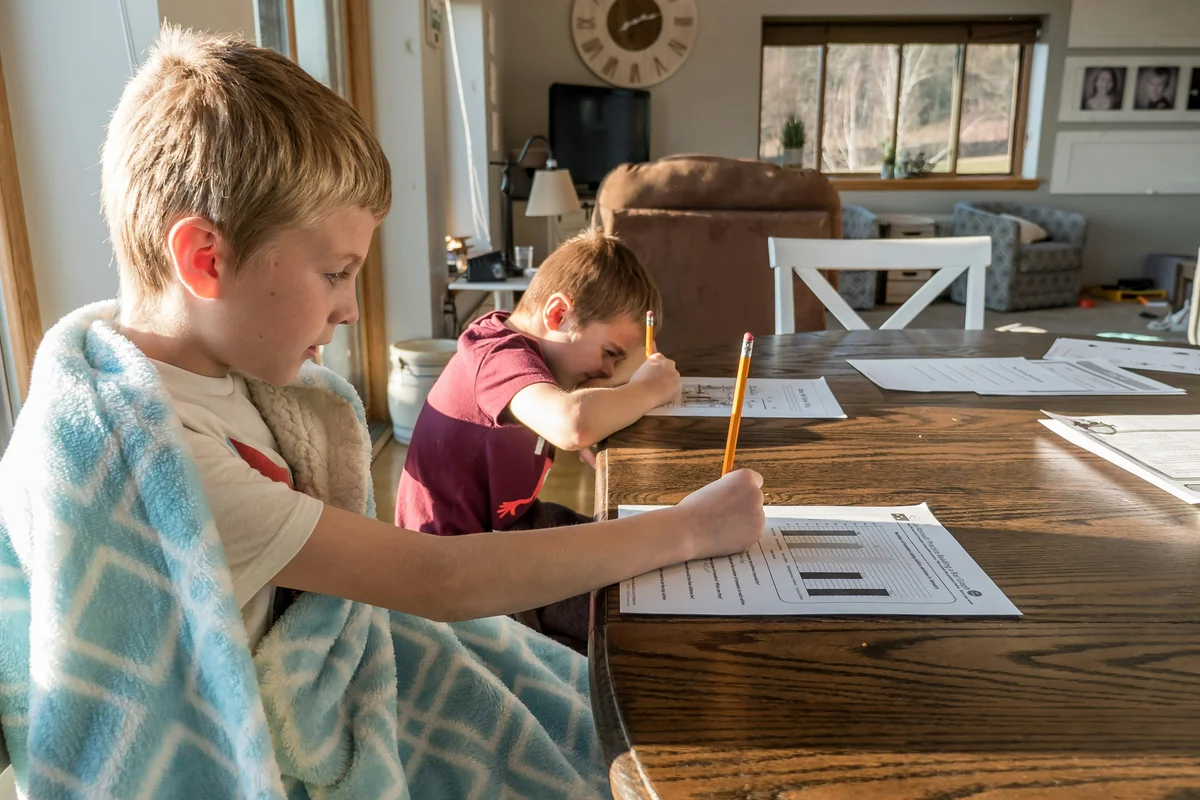
A well-planned homeschool day creates momentum, but flexibility is just as important. Effective the concept balance structure with room for real-life interruptions, personal interests, and changing energy levels. Instead of aiming for rigid perfection, aim for predictable rhythms.
Begin by identifying the most important priorities for each day. Core subjects like math, language arts, science, and reading often receive attention first, when children are mentally fresh. Less demanding activities such as art, music, independent reading, or physical exercise can be scheduled later. This simple ordering can improve focus and reduce conflict.
Many parents find success with time blocking. This means assigning blocks of time to certain tasks rather than planning every minute. For example, you might use one block for math and reading, another for writing and science, and a final block for projects or outdoor learning. Time blocking keeps the day organized without feeling overly restrictive.
A weekly plan can also be more effective than a strict daily schedule. If a science lesson gets postponed, it can move to another day without causing panic. Flexible weekly planning is one of the most practical the approach for busy families, especially those with multiple children.
Checklists are especially useful for promoting independence. Younger children may use picture-based lists, while older students can manage written assignments and deadlines. A checklist allows children to see progress throughout the day and reduces constant parent reminders.
Breaks are not optional—they are productive. Short movement breaks, snack time, outdoor play, or quiet rest can improve concentration and emotional regulation. Younger children often need frequent breaks, while older students may benefit from longer focused sessions followed by downtime. Learning at home makes it easier to match the schedule to the child instead of forcing the child to fit the schedule.
Batching similar tasks is another helpful method. Parents can prepare materials for the week in one session, print worksheets in advance, and plan meals to minimize disruption. These practical it free up energy for teaching and connection.
It is also wise to plan for difficult days. Illness, appointments, emotional stress, or household responsibilities can interrupt even the best routine. On those days, focus on essentials such as reading aloud, journaling, and one core lesson. A lighter day still counts as meaningful progress.
For larger families, combine subjects when possible. History, science experiments, art, and read-aloud sessions can often be done together with adaptations by age level. Group learning saves time and builds shared experiences while still allowing individualized work in skills-based subjects like math and writing.
Curriculum Choices and Teaching Methods in Home schooling strategies

Choosing curriculum can feel overwhelming because there are so many options. Textbook programs, online platforms, printable resources, open-and-go lessons, and project-based materials all have their benefits. The best this begin by selecting resources that fit the child, the parent’s teaching style, and the family’s schedule.
Start with the essentials. Most families focus first on language arts and math, then add science, social studies, and electives. If your child struggles in a particular area, choose a curriculum that provides clear explanations, frequent practice, and opportunities for review. If your child is advanced, look for materials that allow acceleration and deeper exploration.
Do not assume the most expensive program is the best. Many excellent resources are affordable or even free through libraries, educational websites, and public domain materials. What matters most is whether the curriculum is effective, age-appropriate, and manageable.
One of the strongest these is customizing instruction. If a textbook lesson is too long, shorten it. If a child understands a concept quickly, move ahead. If a topic sparks curiosity, expand it with documentaries, field trips, hands-on experiments, or creative writing. Personalization is one of homeschooling’s greatest advantages.
Teaching methods also matter. Direct instruction works well for foundational skills, especially in math and grammar. Discussion-based learning can deepen understanding in literature and history. Project-based learning encourages creativity, research skills, and problem-solving. Many parents rotate methods to maintain interest and support different learning goals.
Reading aloud remains one of the most powerful tools in any homeschool. It builds vocabulary, comprehension, listening skills, and family connection. A well-chosen read-aloud can introduce history, science, ethics, and culture in a memorable way. It is simple, low-cost, and highly effective across age groups.
Technology can support learning when used intentionally. Educational apps, typing programs, video lessons, virtual labs, and online tutoring can fill gaps and provide variety. Still, screen time should serve a clear purpose. The most balanced they combine digital tools with hands-on learning, discussion, reading, and real-world experiences.
Assessment is another part of curriculum planning. Not every child needs constant tests, but parents do need ways to measure progress. This can include quizzes, writing samples, oral narration, projects, observation, and standardized testing where required. Assessment should guide teaching, not simply generate scores.
Curriculum should be reviewed regularly. If daily lessons cause tears, boredom, or confusion for weeks at a time, something needs to change. Homeschooling gives families the freedom to pivot. Replacing a poor fit is not failure—it is responsive teaching.
Socialization, Motivation, and Real-Life Home schooling strategies
One of the most common concerns about homeschooling is socialization. In reality, children can build strong social skills through intentional community involvement. Thoughtful the concept include regular opportunities for interaction with peers, mentors, neighbors, and people of different ages.

Homeschool co-ops are a popular option. They provide classes, group activities, field trips, and support for parents. Sports teams, music lessons, scouting groups, volunteer programs, youth clubs, and church activities also create meaningful social experiences. These settings often allow children to interact in more natural, mixed-age environments than traditional classrooms.
Motivation is another major factor in homeschool success. Children are more likely to engage when learning feels relevant and achievable. Set clear expectations, celebrate effort, and connect lessons to real life. For example, cooking can teach fractions, gardening can support science, and budgeting can reinforce math skills. These practical applications make education feel useful.
Among the most effective the approach is allowing children some voice in their learning. Let them choose a research topic, a book from a reading list, or the order of certain assignments. A sense of ownership can increase cooperation and curiosity.
Positive reinforcement works better than constant correction. Praise persistence, creativity, improvement, and responsibility. Small rewards, progress charts, and special project time can help younger learners stay motivated. Older students may respond well to goal-setting and increased independence.
Emotional health matters too. Some children need reassurance when academic work feels hard. Others need help managing perfectionism, frustration, or distraction. Homeschooling allows parents to notice these needs closely and respond with patience. A calm, connected environment often leads to better learning than pressure and comparison.
Field trips are another valuable tool. Museums, nature centers, farms, historical sites, local businesses, and community events bring lessons to life. Real-world experiences turn abstract concepts into memorable understanding. Even everyday errands can become learning opportunities when parents invite observation and discussion.
Life skills should not be overlooked. Cooking, cleaning, budgeting, communication, time management, and problem-solving are all part of a well-rounded education. Many families include chores, entrepreneurship, and service projects as part of their broader it because these experiences build competence and confidence.
As children grow older, homeschool methods should evolve. Younger students often need direct support and playful learning. Teenagers benefit from greater autonomy, long-term projects, elective choices, and preparation for college, career, or vocational pathways. Flexibility across stages helps homeschooling remain effective over time.
Avoiding Burnout and Adapting Home schooling strategies Long Term
Homeschool burnout can affect both parents and children. It usually develops when expectations are unrealistic, schedules are overloaded, or families ignore the need for rest. Sustainable this make room for margin, reflection, and change.

One of the most important habits is setting realistic goals. Not every day will be perfectly productive, and not every lesson will go as planned. Instead of measuring success by finishing every page, focus on progress, understanding, and consistency over time. Education is a long-term process.
Parents also need support. Homeschooling can feel isolating without a community. Connecting with local groups, online forums, curriculum reviews, and trusted mentors can provide encouragement and practical advice. Asking for help is wise, not weak.
Another useful practice is scheduling breaks into the year. Some families follow a traditional school calendar, while others use year-round learning with shorter breaks every few weeks. Planned rest periods help everyone recharge and prevent fatigue from building up.
The best these also include regular review. Every few months, ask what is working and what is not. Are the children learning? Is the schedule manageable? Are family relationships healthy? Are there too many activities? Honest reflection makes it easier to improve the plan before frustration grows.
Simplification can be powerful. If the homeschool day feels chaotic, reduce extras temporarily and return to the basics. Reading, writing, math, conversation, and exploration can sustain strong learning even during challenging seasons. Minimalism often brings clarity.
Parents should also protect their own well-being. Sleep, exercise, emotional support, and personal time matter. A stressed and exhausted parent cannot teach effectively for long. Even small habits—such as preparing the night before, keeping lessons organized, and sharing household responsibilities—can lower daily pressure.
Adapting to change is part of long-term success. Children’s interests shift, learning needs evolve, and family circumstances change. Flexible they allow families to revise schedules, switch curriculum, or explore hybrid models when needed. Sticking to a failing system simply because it was the original plan rarely helps.
Most importantly, remember that homeschooling is about more than academics. It is also about relationships, character, resilience, and the joy of discovery. When families keep this bigger picture in mind, they are better equipped to weather difficult seasons and continue growing together.
FAQ: Home schooling strategies
What are the best Home schooling strategies for beginners?
The best the concept for beginners include starting with clear goals, focusing on core subjects, choosing simple curriculum, and building a manageable daily routine. It also helps to observe your child’s learning style, keep good records, and avoid overloading the schedule in the first few months.

How can Home schooling strategies improve time management?
Effective Home schooling strategies improve time management by using weekly plans, time blocks, checklists, and priority-based scheduling. These methods help families stay organized while keeping enough flexibility for interruptions, appointments, and different energy levels throughout the week.
Which Home schooling strategies help with socialization?
Strong Home schooling strategies for socialization include joining co-ops, enrolling in extracurricular activities, volunteering, attending community events, and arranging regular playdates or study groups. These experiences help children build confidence and communication skills in real-world settings.
How do I choose curriculum using Home schooling strategies?
When using Home schooling strategies to choose curriculum, begin with your child’s age, learning style, academic needs, and your teaching capacity. Look for resources that are practical, engaging, and easy to maintain. It is also important to review progress often and switch materials if they are not effective.
Can Home schooling strategies prevent burnout?
Yes, smart Home schooling strategies can reduce burnout by setting realistic expectations, simplifying routines, planning breaks, and reviewing what works regularly. Families who prioritize balance, emotional health, and flexibility are more likely to maintain a positive long-term homeschool experience.
Conclusion
The most successful homeschool journeys are built on intention, flexibility, and a willingness to adapt. Effective Home schooling strategies help families create structure without losing the freedom that makes homeschooling so valuable. By setting clear goals, choosing appropriate curriculum, managing time wisely, supporting motivation, and protecting against burnout, parents can create a learning experience that is both academically strong and personally meaningful. There is no single perfect model, but thoughtful Home schooling strategies make it easier to respond to each child’s unique needs and help learning flourish at home.